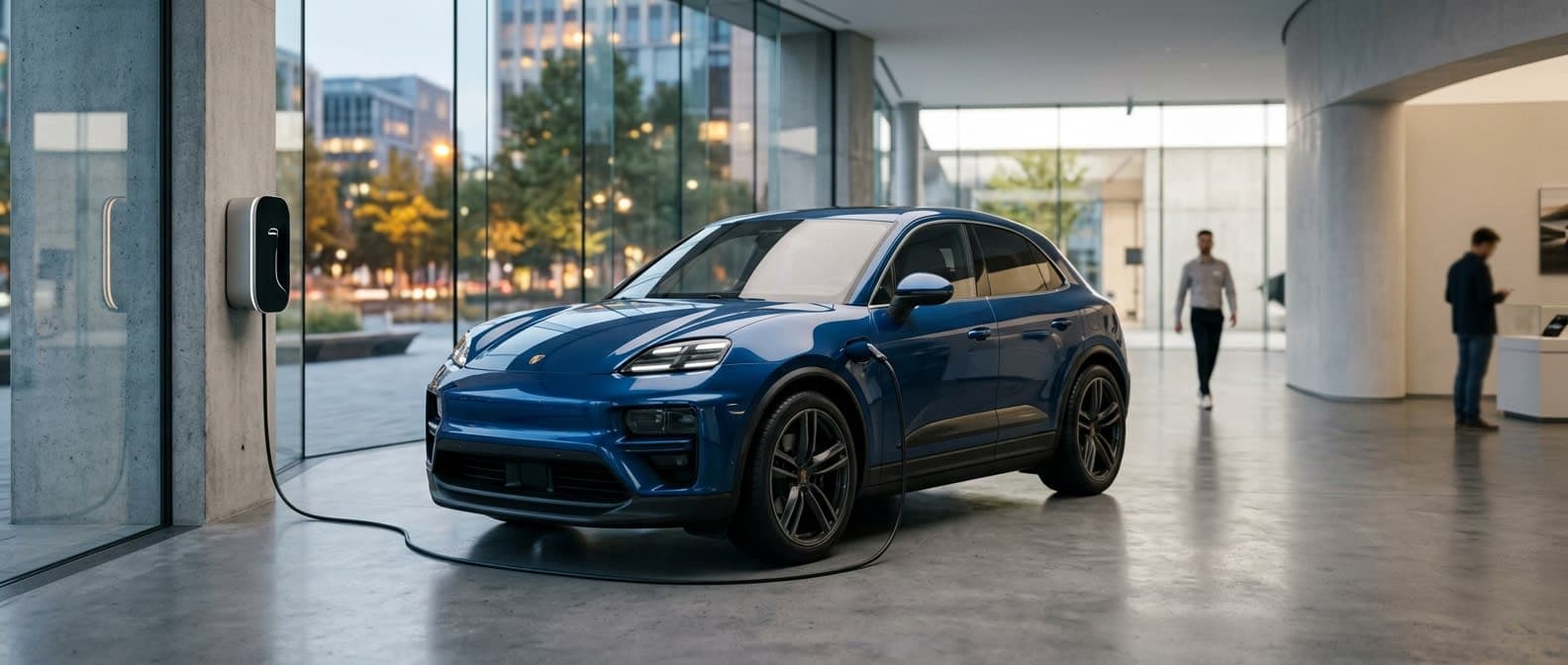
Toyota Refines Its Electric Vision With the Potent 2026 bZ


Toyota has officially entered a new phase of its electrification strategy with the launch of the 2026 bZ, a compact SUV that replaces the outgoing bZ4X. By shedding the awkward alphanumeric suffix and sharpening the mechanical underpinnings of its primary electric offering, Toyota is signaling a departure from its experimental EV roots. The company is now pivoting toward a more pragmatic, performance-oriented approach that aligns more closely with the expectations of the modern consumer. This transition reflects a broader industry trend where manufacturers are iterating rapidly to close the gap between early-adopter concepts and the high-performance, long-range vehicles now required to dominate the mainstream market.
The most striking upgrade to the 2026 model lies in its powertrain efficiency and output. By integrating a more robust 67-kWh battery pack, the bZ achieves an impressive leap in range, with the front-wheel-drive XLE Plus model now boasting an estimated 314 miles on a single charge. Beyond the numbers, the performance profile has been transformed. The new dual-motor all-wheel-drive configuration produces a staggering 338 horsepower, marking a 50 percent increase over its predecessor. In real-world testing, this newfound power translates into a sub-5-second sprint to 60 mph, effectively propelling the bZ from a timid entry in the segment to a genuine rival for high-performance electric crossovers from brands like Hyundai and Volkswagen.
Charging convenience has also been modernized to meet current infrastructure standards. The inclusion of an 11.0-kW onboard charger and the adoption of the North American Charging System port offer a significant quality-of-life upgrade for owners. By enabling seamless access to the expansive Tesla Supercharger network, Toyota is addressing one of the primary friction points for prospective EV buyers: range anxiety and charging accessibility. While the 150-kW DC fast-charging cap remains conservative compared to the bleeding edge of current technology, these upgrades demonstrate a clear commitment to improving the daily ownership experience.
Beyond the drivetrain, the 2026 bZ benefits from refined chassis tuning that addresses long-standing critiques of the previous model's handling. The steering feel is lighter and more responsive, paired with a suspension setup that provides a more composed and agile ride. Interior adjustments, including a revised center console and a more intuitive digital gauge cluster, further refine the cabin experience. While some of the ergonomic quirks regarding the steering wheel and gauge positioning persist, the cumulative effect of these changes is a vehicle that feels more polished, capable, and ready for a wider audience.
The implications for the automotive sector are significant. As major players like Toyota refine their platforms, the competition is forcing a rapid maturation of the electric SUV market. We are seeing a shift away from "compliance vehicles" toward genuine daily drivers that do not require consumers to compromise on performance or range. For professionals tracking this sector, the rapid evolution of the bZ serves as a case study in how quickly legacy manufacturers can leverage their industrial scale to pivot their product portfolios when the market dictates a change.
Ultimately, the 2026 bZ is proof that Toyota is no longer just experimenting with electricity; they are competing for market share. By focusing on tangible improvements in power, charging convenience, and driving dynamics, they have successfully redefined the value proposition of their electric lineup. Navigating these rapid shifts in automotive design and consumer preference is always easier when relying on the latest data-driven insights and analytical tools.