Porsche Redefines Electric Performance with the Evolving Macan Lineup
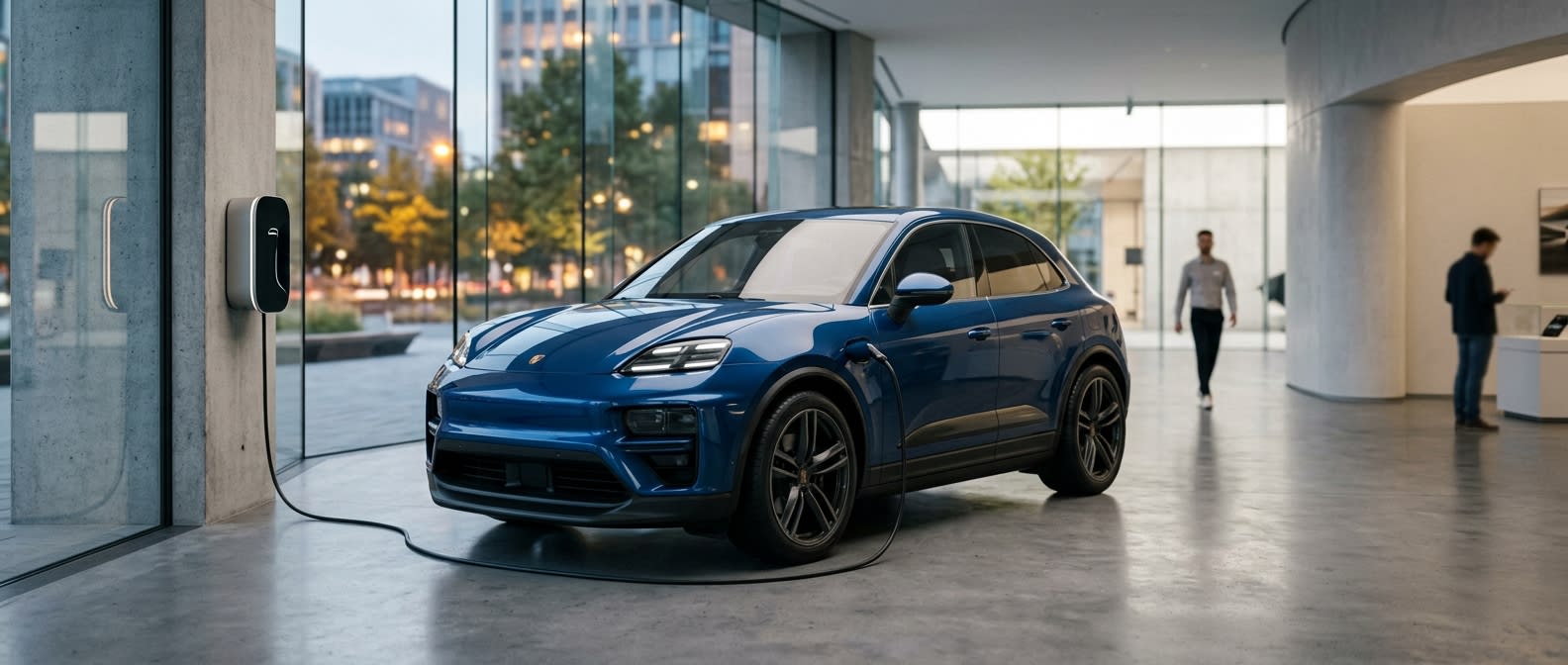

The automotive industry is currently navigating a pivotal shift toward electrification, a transition that often leaves driving enthusiasts wary of losing the visceral engagement of traditional combustion engines. Porsche, however, is tackling this skepticism head-on with the 2027 Macan Electric. By meticulously engineering a platform that prioritizes chassis dynamics and driver connection, the brand is successfully bridging the gap between utilitarian compact SUVs and high-performance sports cars. For those who prioritize agility and precision, this vehicle serves as a compelling proof of concept that electric mobility does not have to come at the expense of the driving experience.
The powertrain architecture of the 2027 Macan Electric is a masterclass in versatility, offering a tiered approach that caters to varying needs. The entry-level model utilizes a rear-mounted motor, providing a balanced and engaging experience for daily driving. For those seeking superior traction and more aggressive performance, the mid-tier and top-of-the-line trims—the 4, 4S, GTS, and Turbo—incorporate dual-motor all-wheel-drive systems. With power outputs stretching up to 630 horsepower in the Turbo variant during launch control, these vehicles possess a level of raw capability that stands near the top of the luxury electric segment, challenging both traditional rivals and emerging EV competitors.
Beyond the raw output, the engineering focus is centered on managing weight and optimizing cornering stability. Despite a curb weight that hovers around the 5400-pound mark, the inclusion of sophisticated air suspension, adaptive damping, and available rear-wheel steering allows the Macan Electric to mask its mass with remarkable ease. During spirited road testing, the vehicle has demonstrated an ability to navigate technical corners with a level of precision that feels quintessentially Porsche. This highlights a broader trend in the industry: manufacturers are no longer just focused on raw acceleration, but are doubling down on suspension geometry and chassis tuning to retain brand identity in an electrified world.
Practicality remains a cornerstone of the Macan identity, and the electric iteration does not sacrifice this heritage. The cargo capacity is well-suited for a vehicle of this footprint, making it a viable daily driver for families and professionals alike. Furthermore, the towing capacity has seen a notable increase to 5500 pounds, a figure that significantly outpaces many of its closest competitors. This improvement is essential for the premium buyer who expects their vehicle to double as a versatile lifestyle tool capable of hauling equipment without the range anxiety often associated with heavy-duty electric transport.
The charging infrastructure and thermal management systems are equally impressive, utilizing an 800-volt architecture that enables rapid energy intake. A standout feature is the intelligent battery-splitting technology, which effectively partitions the battery into two 400-volt units when connected to slower charging hardware. This ensures compatibility and efficiency regardless of the charger type, addressing one of the most common friction points for current EV owners. With the ability to jump from 10 to 90 percent charge in approximately 33 minutes, the Macan Electric is clearly designed to minimize downtime and maximize time on the road.
As we look toward 2027, the Macan Electric lineup stands as a mature product that successfully balances performance, luxury, and daily utility. Its existence signifies a broader market shift where established luxury marques are no longer just dipping their toes into the EV space but are setting the benchmarks for others to follow. Whether one is a long-time fan of the brand or a new entrant to the world of electric SUVs, the Macan Electric provides a refined, high-performance option that remains consistent with Porsche’s storied engineering legacy. In an era where technological specifications change rapidly, leveraging advanced research and data-driven insights remains the best way for professionals to stay ahead of the curve.


