The Hidden Price Tag Behind Modern Automotive Intelligence

The modern automobile has evolved into a sophisticated rolling computer, packed with sensors, cameras, and radar systems designed to keep occupants safer than ever before. While the transition of advanced driver-assistance systems from high-end luxury add-ons to standard factory equipment is a win for road safety, it has introduced a complex financial reality for vehicle ownership. As cars grow increasingly intelligent, the simple days of a mechanic and a wrench are being replaced by the era of specialized calibration, proprietary diagnostics, and skyrocketing repair bills that are fundamentally altering the economics of vehicle maintenance.
The core of the issue lies in the integration of sensitive hardware into seemingly mundane parts of the vehicle. A simple windshield replacement, once a straightforward process of swapping glass, now necessitates intricate recalibration of the cameras housed behind the rearview mirror. Failure to calibrate these systems after a repair renders lane-keeping and automatic braking features effectively useless. Research indicates that components related to these assistance systems can now account for over 70 percent of the cost of a side mirror repair and a significant portion of minor bumper damage. What was once a manageable out-of-pocket repair for a parking lot mishap has ballooned into a multi-thousand-dollar event, forcing many drivers to rely heavily on insurance coverage.
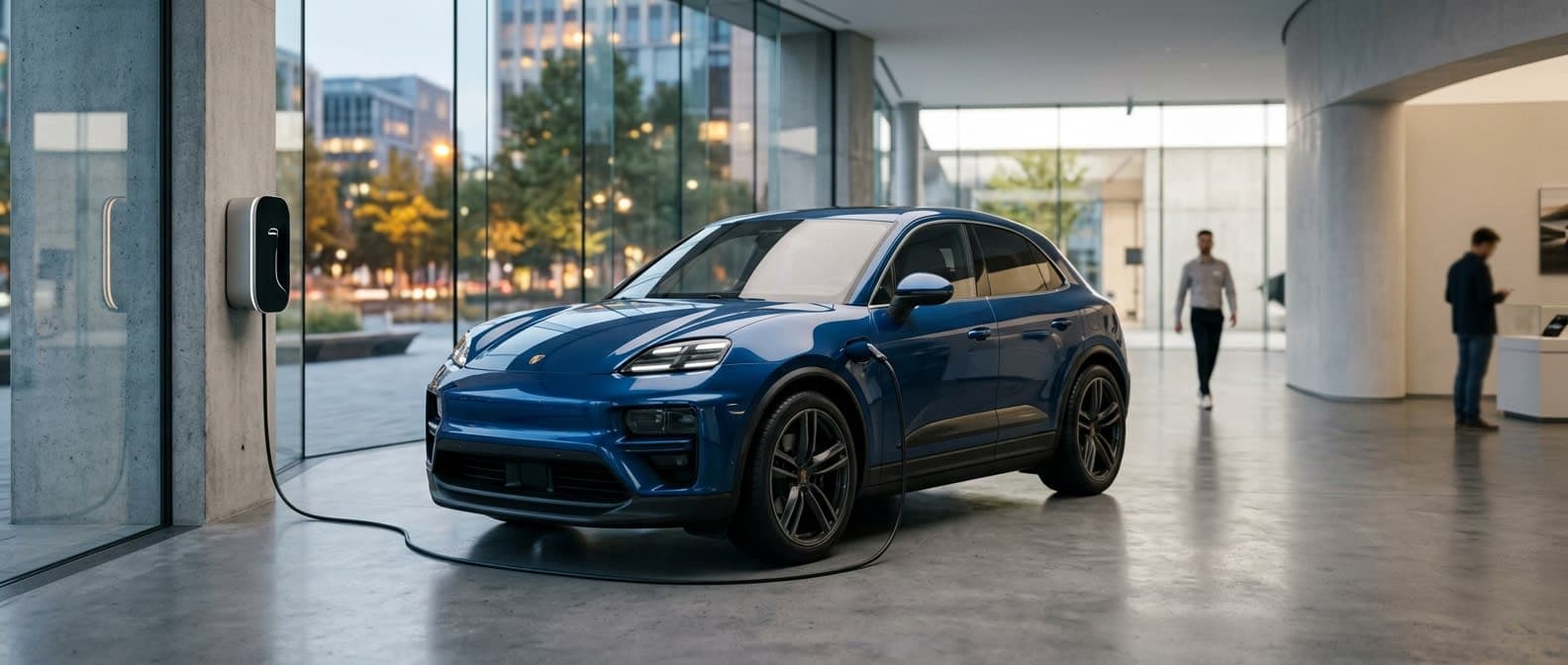
Beyond the electronic components, the structural materials used in contemporary manufacturing contribute to the rising tide of repair costs. Automakers are increasingly employing specialized high-strength steel and aluminum alloys designed to deform in a controlled manner to absorb kinetic energy during a crash. While these materials save lives, they are rarely conducive to traditional body-shop techniques like pulling or straightening. Instead, damaged sections must be entirely replaced, often requiring certified technicians and specialized equipment that many independent shops simply do not possess. This trend is particularly evident with electric vehicles, where battery packs are often integrated into the structural architecture, further complicating collision repairs and occasionally leading to total loss scenarios for damage that would have been considered minor a decade ago.
The ripple effects of these high-tech repairs are clearly visible in the insurance sector. Industry data shows a marked shift in the nature of claims, with low-cost, minor repairs becoming increasingly rare as the baseline cost to even open a repair order climbs. Insurance carriers are reporting a surge in total losses, even for vehicles that appear structurally sound, because the cost of repairing the hidden electronic and sensor arrays exceeds the value of the car. This shift has placed upward pressure on insurance premiums, as companies adjust to the reality that a simple fender-bender now carries the risk of a high-tech equipment failure that necessitates costly, time-intensive professional calibration.
Repair times have also suffered as a direct result of these complexities. Modern vehicles loaded with sophisticated safety suites spend significantly longer periods in the shop compared to their less-complex counterparts. This increase in downtime forces drivers into rental cars for extended durations, further inflating the total cost of claims for both the consumer and the insurer. For the average owner, this means that the financial burden of a modern vehicle extends well beyond the monthly car payment and fuel; it is a persistent tax on ownership that persists through every insurance renewal cycle.
Navigating this new landscape requires a proactive approach from consumers. Before finalizing a vehicle purchase, it is prudent to investigate not just the sticker price, but the projected insurance costs and the availability of certified service centers capable of handling complex sensor calibrations. Drivers should also review their insurance policies to ensure they explicitly cover the technical costs associated with recalibration, ensuring they are not left with a vehicle that possesses "smart" features that aren't actually functioning correctly. As the automotive industry continues its march toward higher levels of automation, leveraging data-driven insights and modern technology tools remains the most effective way for professionals and consumers alike to stay ahead of these shifting market trends.