Toyota Modernizes Its Bestselling SUV With A Significant Digital Leap


The automotive landscape is undergoing a massive transformation, and Toyota is making sure its most important product remains at the forefront of this shift. With the launch of the sixth-generation 2026 RAV4, the manufacturer has moved exclusively to hybrid powertrains, signaling a definitive commitment to efficiency. However, the most striking change for the new model year isn't under the hood; it is found inside the cabin, where a complete overhaul of the infotainment system brings the vehicle firmly into the modern digital era.
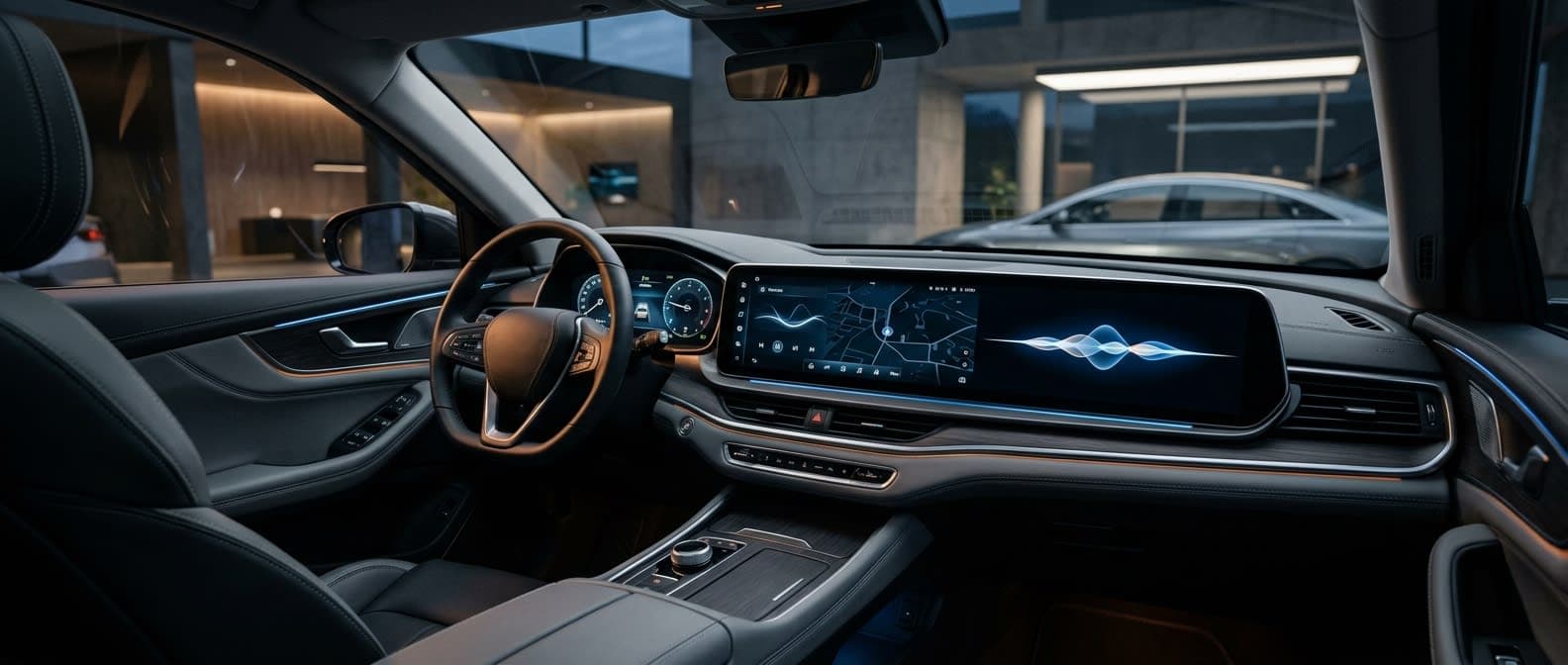
Every new RAV4 now comes standard with a 10.5-inch touchscreen, while the higher trim levels feature a expansive 12.9-inch display. Navigating the interface feels intuitive, mimicking the fluidity of a smartphone. Users can customize widget tiles with ease, and the integration of wireless Apple CarPlay and Android Auto is seamless. Toyota has even introduced a Tips feature, ensuring that even those who are not tech-savvy can maximize the potential of the system. While the loss of the physical tuning knob might frustrate some traditionalists, the placement of the volume control remains convenient, striking a functional balance between analog habits and digital future.
Connectivity has become a major selling point for modern consumers, and the 2026 RAV4 addresses this with native AT&T 5G support and a refined voice assistant. By utilizing cloud-based navigation, the system can now project real-time turn-by-turn directions directly onto the 12.3-inch digital gauge cluster, keeping the driver's eyes focused on the road. The inclusion of native apps like Spotify further reduces the reliance on phone mirroring, though it is important to note that maintaining these connected services will require a subscription fee after the initial trial period, a growing trend in the automotive software-as-a-service model.
Beyond entertainment, the digital architecture supports a major update to Toyota Safety Sense 4.0. The suite now offers more granular control over driver-assistance systems, shifting menu management to the central touchscreen. New capabilities include improved pedestrian detection that now identifies motorcycles and a sophisticated adaptive cruise control system that even analyzes drafting opportunities to improve fuel economy in Eco mode. Lane-keep assist now features an automated lane-change function, adding a layer of convenience for highway driving that was previously reserved for more premium segments.
A particularly practical addition is the standard built-in dash cam. By leveraging the existing exterior cameras, the system allows for automatic or manual recording, with files easily exportable via USB. This integration highlights a broader industry trend where manufacturers are consolidating aftermarket accessories into the vehicle's base hardware. It provides both peace of mind for the owner and a cleaner aesthetic, eliminating the need for dangling wires or obstructed windshields.
The significance of these updates cannot be overstated. By focusing on a highly customizable, software-heavy experience for its top-selling vehicle, Toyota is acknowledging that the modern car is essentially a mobile digital device. For the industry, this signals a permanent pivot toward subscription-based connectivity and over-the-air updates. As vehicles become increasingly complex, leveraging sophisticated analytical tools and AI-driven insights allows both manufacturers and automotive professionals to keep pace with these rapid shifts in consumer expectations and technological capability.