The End of an Era for the Electric Pioneer


The automotive industry is rarely defined by a single vehicle, but the Tesla Model S stands as an undeniable exception. Launched as a risky endeavor by a company many predicted would collapse under the weight of its own ambition, the Model S fundamentally altered the trajectory of global transportation. By proving that an electric vehicle could be both practical and aspirational, it dismantled the long-standing stigma that EVs were merely golf carts with aspirations. As the Model S begins to fade from the spotlight, we find ourselves reflecting on a vehicle that challenged every established engineering guideline and forced legacy automakers to pivot or perish.
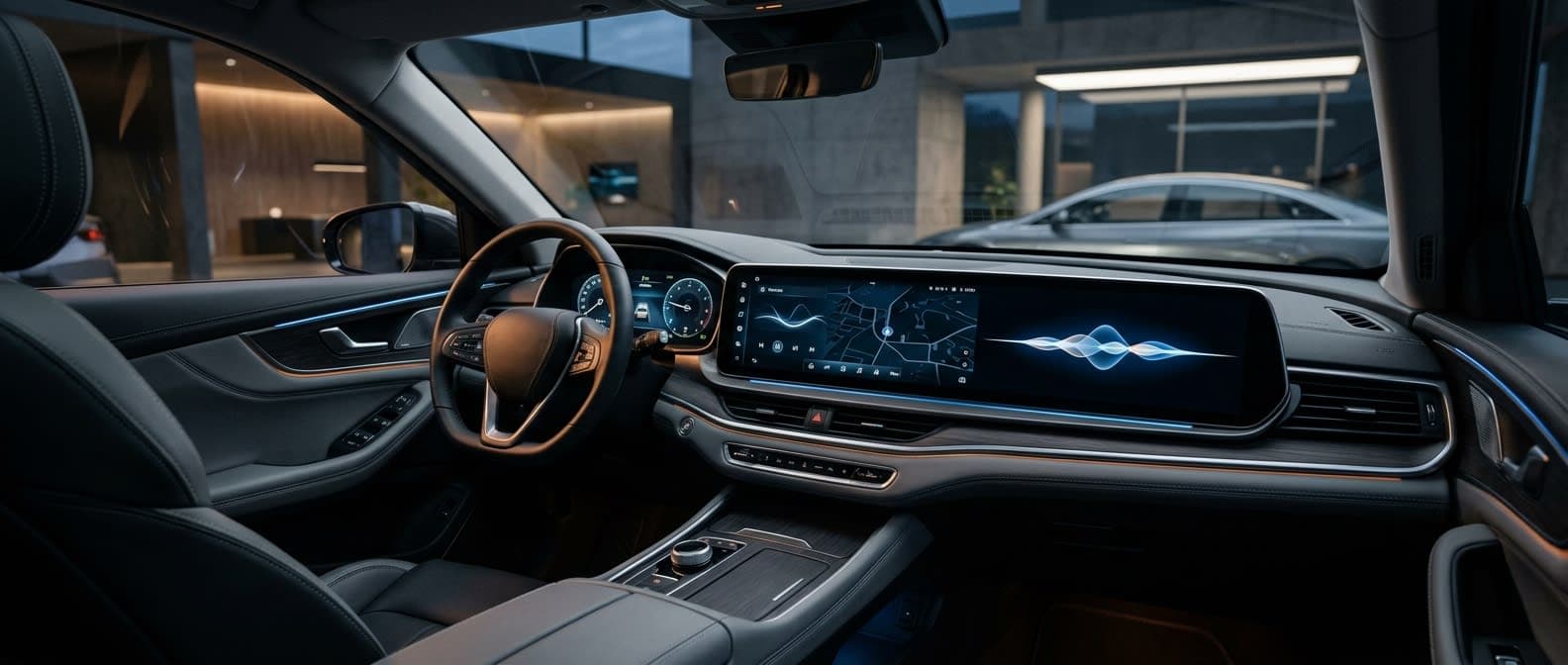
At its debut, the Model S was an outlier in every sense. Critics initially viewed it with skepticism, largely due to Tesla's earlier, more limited production efforts. However, once the vehicle hit the road, it became clear that this was not a compromise, but a revolution. It introduced a digital-first architecture, characterized by a massive central touchscreen that rendered traditional dashboards obsolete overnight. While features like retractable door handles were sometimes dismissed as unnecessary flourishes, they set a new standard for luxury aesthetics that competitors have spent the last decade trying to mimic.
The technical impact of the Model S cannot be overstated. By breaking from conventional internal combustion design, the car offered performance metrics that were simply unreachable for most V-8 sports sedans of the era. The instant, seamless torque delivery eliminated the need for downshifts and rendered turbo lag a relic of the past. Even with the inherent challenge of managing a heavy battery pack, the car achieved a level of predictable handling and straight-line acceleration that turned driving into a visceral, addictive experience. This power, available on demand, became the hallmark of the EV movement.
Beyond the raw performance, the Model S acted as a catalyst for the infrastructure we take for granted today. Over its 15-year life cycle, it underwent a constant evolution, adding all-wheel drive, superior range, and increasingly sophisticated software integrations. It forced manufacturers to grapple with the reality of one-pedal driving and the necessity of high-speed charging. Even controversial additions, such as the camera-based full self-driving technology, pushed the boundaries of what consumers expected from a consumer vehicle. The car’s long-standing success forced even the most entrenched legacy brands to tear apart their own internal design rulebooks to compete with the silicon-valley interloper.
Today, the market reflects a different reality for this pioneering machine. With the depreciation of resale values—some high-performance models now trading for a fraction of their original cost—the Model S has transitioned from a high-status luxury object to an accessible piece of history for the average enthusiast. While political discourse and changing brand sentiment have impacted demand, the engineering legacy remains untouched. For those who want to experience the genesis of the modern electric age, these vehicles offer an unparalleled entry point into the performance capabilities that once cost six figures.
The departure of the Model S from the conversation marks the end of the electric vehicle's adolescence. We have moved from a time of proving concepts to a time of mass adoption and refinement. The industry is currently facing a new set of challenges, from supply chain logistics to battery recycling and software integration, all of which require a nuanced understanding of where the market has been and where it is going. Leveraging data-driven insights and advanced analytical tools remains essential for industry professionals as they navigate this shifting landscape and anticipate the next generation of automotive innovation.