Mugen Transforms Honda Super-ONE into a Miniature Performance Icon
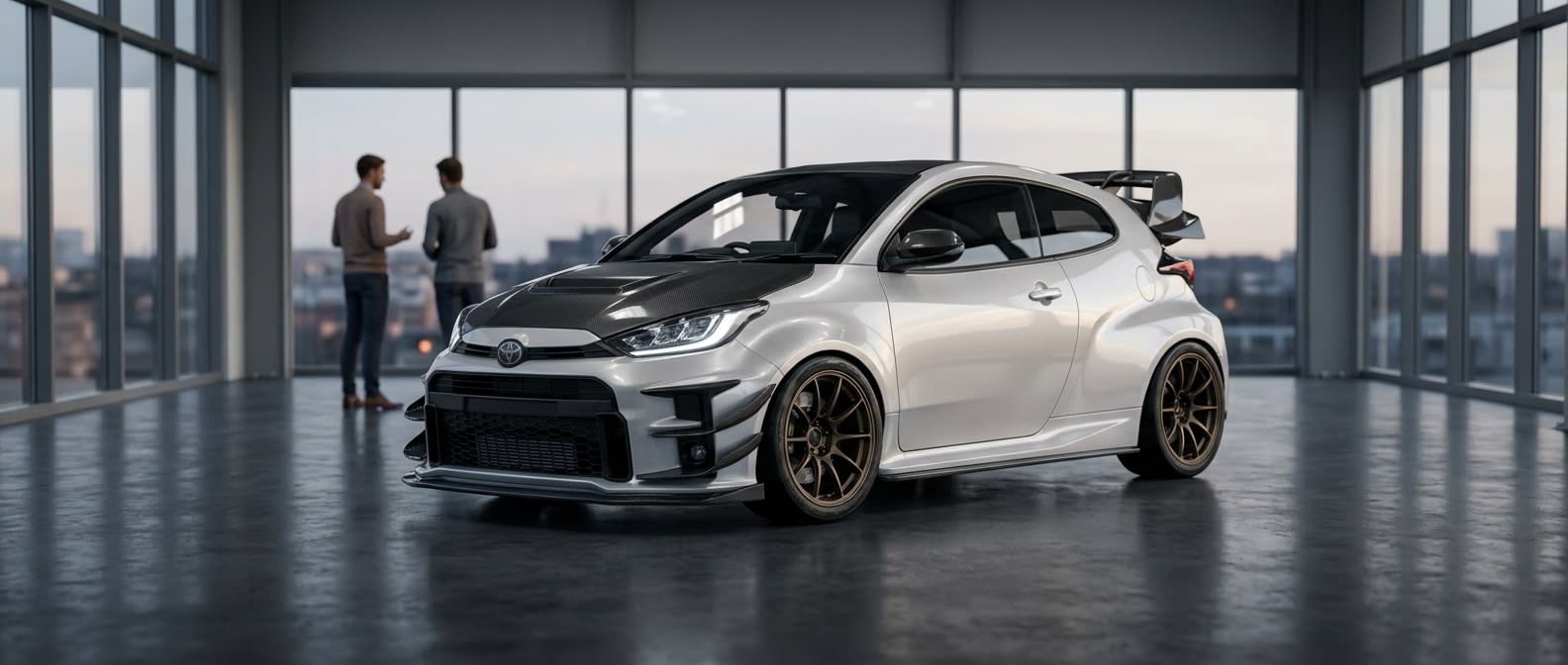

The automotive aftermarket industry has always thrived on the desire to differentiate, and Mugen is proving that this philosophy remains perfectly applicable to the burgeoning electric vehicle market. Even before Honda has officially opened order books for the highly anticipated Super-ONE, the legendary tuning house has unveiled an aggressive suite of modifications designed to turn the compact EV into a formidable presence on the road. By applying their signature racing aesthetic to this pint-sized commuter, Mugen is effectively positioning the Super-ONE as a legitimate entry into the performance-minded urban mobility segment, rather than just another appliance for city travel.
The aesthetic overhaul is comprehensive, signaling a departure from the conservative, efficiency-focused design typically associated with small-scale electric platforms. The kit introduces a prominent front spoiler and a more angular, sculpted hood that provides the vehicle with a broader, more purposeful stance. This aggressive theme continues along the flanks, where beefy overfenders and refined side garnishes emphasize the car’s natural athleticism. The rear profile is equally transformed, featuring a functional diffuser and a striking rear wing that gives the car a competitive, track-ready silhouette rarely seen in this vehicle class.
Beyond the external flair, the performance upgrades suggest that this project is about more than just visual posturing. Mugen has committed to functional hardware, including specially tuned dampers and sixteen-inch five-spoke wheels, which are expected to sharpen the handling dynamics of the Super-ONE. Inside the cabin, the transformation continues with bespoke steering inputs and Mugen-branded Recaro bucket seats, reinforcing the connection between driver and machine. When combined with the vehicle's inherent "Boost Mode"—a feature that elevates output to 94 horsepower—the package becomes a lightweight, spirited alternative for enthusiasts who prioritize agility and engagement over raw, high-horsepower figures.
From an industry perspective, this partnership between an original equipment manufacturer and an aftermarket specialist reflects a critical shift in how we view the future of electrified transportation. As EVs become increasingly ubiquitous, manufacturers are facing the challenge of commoditization. By enabling a strong aftermarket ecosystem, Honda is allowing consumers to personalize their driving experience, which in turn fosters brand loyalty and maintains residual value. For the broader economy, this demonstrates that the automotive tuning sector—long feared to be in decline during the transition to electric powertrains—is actually evolving to meet new technical requirements.
This development also highlights the importance of the micro-car segment in international markets like Japan and the United Kingdom. While the Super-ONE is clearly destined for densely populated urban centers, the availability of high-end tuning kits suggests a growing appetite for "fun-sized" electric mobility. By keeping the car relatively light, at just over 2,400 pounds, Honda and Mugen are proving that electric performance does not necessarily require massive, heavy battery packs. Instead, they are focusing on the purity of the driving experience, a strategy that resonates with driving purists who are wary of the industry’s shift toward heavy, technology-laden crossovers.
As we look toward the scheduled release of the Mugen kit in late May 2026, the absence of plans to export these modifications to North American markets remains a notable point of contention for enthusiasts. It underscores the regional nature of automotive customization and the specific regulatory hurdles that often keep the most interesting global products out of reach for domestic drivers. Nevertheless, the presence of such a bold, aftermarket-ready EV platform is a clear sign that the spirit of automotive modification is not only alive but is finding innovative ways to thrive in the new era of propulsion.
For industry professionals and enthusiasts alike, understanding the intersection of hardware, design, and performance software is becoming increasingly essential. Staying informed with the right tools and data-driven AI solutions helps professionals navigate these rapid shifts in consumer demand and design trends with greater precision and confidence.