BMW Redefines the Compact Performance Benchmark with New xDrive M2
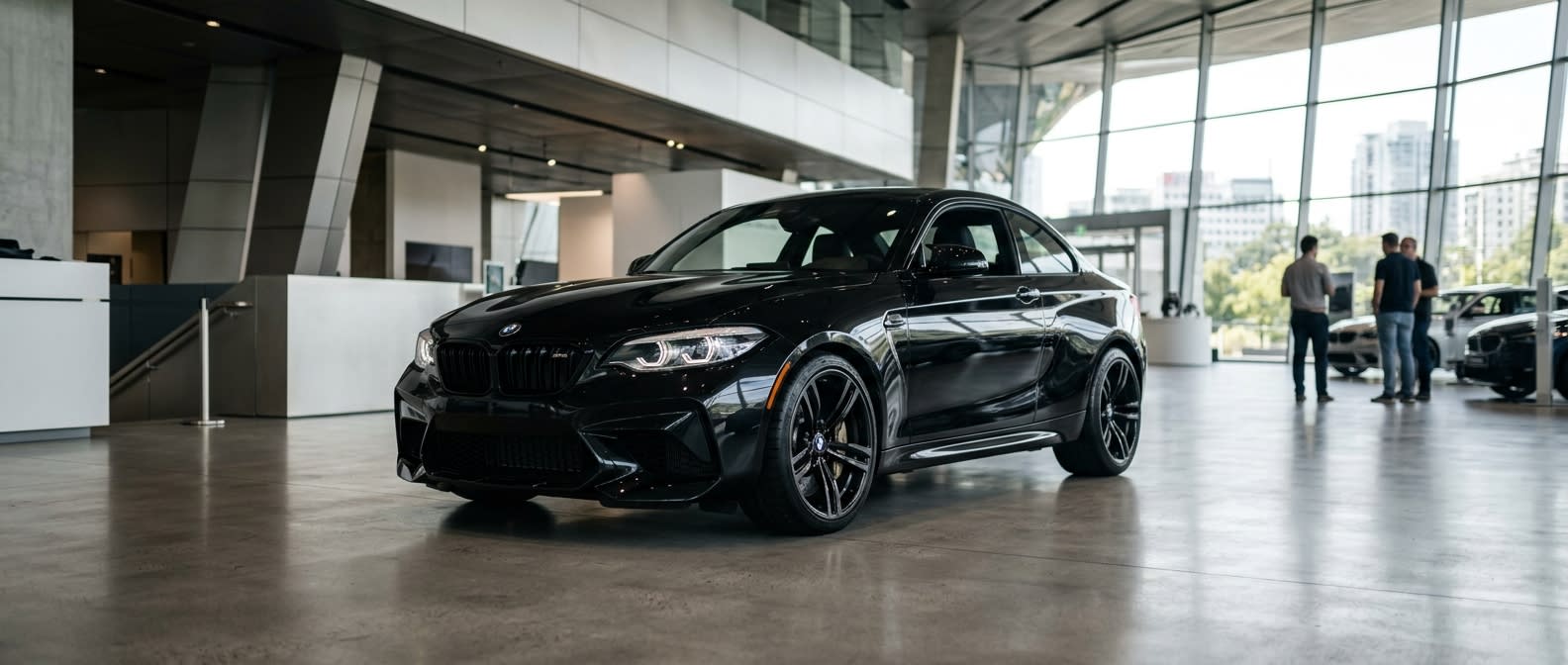

The automotive industry has long treated the rear-wheel-drive configuration as the gold standard for pure, unadulterated sports car dynamics. For the iconic BMW M2, this philosophy has been a core pillar of its identity. However, as the 2027 model year approaches, BMW is making a bold departure from tradition. By introducing the M xDrive all-wheel-drive system to the M2 lineup, the manufacturer is signaling a shift toward year-round utility without sacrificing the aggressive performance metrics that fans of the M division have come to expect.
At the heart of this upgrade remains the formidable twin-turbocharged 3.0-liter inline-six engine, which continues to churn out a robust 473 horsepower. While the power output remains static, the delivery mechanism has evolved significantly. Through an electronically controlled multiplate clutch, the system intelligently distributes torque to all four corners of the vehicle. In typical cruising conditions, the car maintains its traditional rear-wheel-drive bias, but the system is engineered to instantaneously engage the front wheels whenever traction requirements demand it. This integration with the Active M Differential allows for a level of grip and power management that was previously unattainable in this specific chassis.
The impact of this mechanical evolution is felt most acutely on the stopwatch. By eliminating the traction limitations inherent in a pure rear-drive setup, the new M2 xDrive shaves a notable three-tenths of a second off the sprint to 60 mph, reaching the benchmark in just 3.3 seconds. While some purists may lament the mandatory pairing of this system with the eight-speed automatic transmission—effectively sidelining the six-speed manual gearbox for this trim—the technical gains are undeniable. BMW has clearly prioritized the "four-seasons" sports car concept, ensuring the vehicle remains a dominant force regardless of surface conditions or inclement weather.
This decision reflects a broader trend within the luxury performance segment: the democratization of all-wheel-drive technology. As modern engines reach higher horsepower outputs, manufacturers are finding that standard drivetrain configurations struggle to put power to the pavement effectively. By adopting an advanced, electronically managed all-wheel-drive system, BMW is not merely chasing speed; it is expanding the M2’s demographic appeal. It creates a bridge between the niche enthusiast who demands track capability and the daily driver who needs confidence on wet or snow-covered city streets.
Despite this newfound focus on stability and accessibility, BMW has not forgotten its roots. The inclusion of a dedicated rear-wheel-only mode, accessible when stability control is deactivated, serves as a nod to those who still wish to explore the car's drift-friendly characteristics. This dual-personality approach—blending high-tech traction management with the raw, sideways fun of a traditional M car—is a shrewd tactical move. It ensures that the M2 remains relevant in an increasingly competitive landscape where rivals are often criticized for becoming too soft or too digital.
As production prepares to begin in Mexico in late 2026, industry analysts are watching closely to see how this mid-cycle expansion affects the M2's positioning. With a premium expected over the current sub-$70,000 starting price of the rear-wheel-drive base model, the M2 xDrive will likely test the willingness of consumers to pay for extra mechanical sophistication. Navigating these complex shifts in vehicle architecture and market demands requires a deep understanding of current trends, and leveraging the right analytical tools and AI-driven insights allows automotive professionals to stay ahead of the curve in an rapidly accelerating industry.