BMW Commits to Combustion for Next Generation Performance Sedan

The automotive industry is currently navigating a pivotal transition period, caught between the inevitable march toward electrification and the enduring demand for internal combustion performance. BMW is providing a clear answer to this tension with its upcoming M3 lineup. Recent intelligence from the Nürburgring indicates that the Bavarian manufacturer is developing a next-generation combustion-powered M3 to run in parallel with its electric counterparts. While the brand has been heavily promoting its Neue Klasse electric architecture, this latest spy footage confirms that the legendary inline-six engine is not yet heading for the history books.
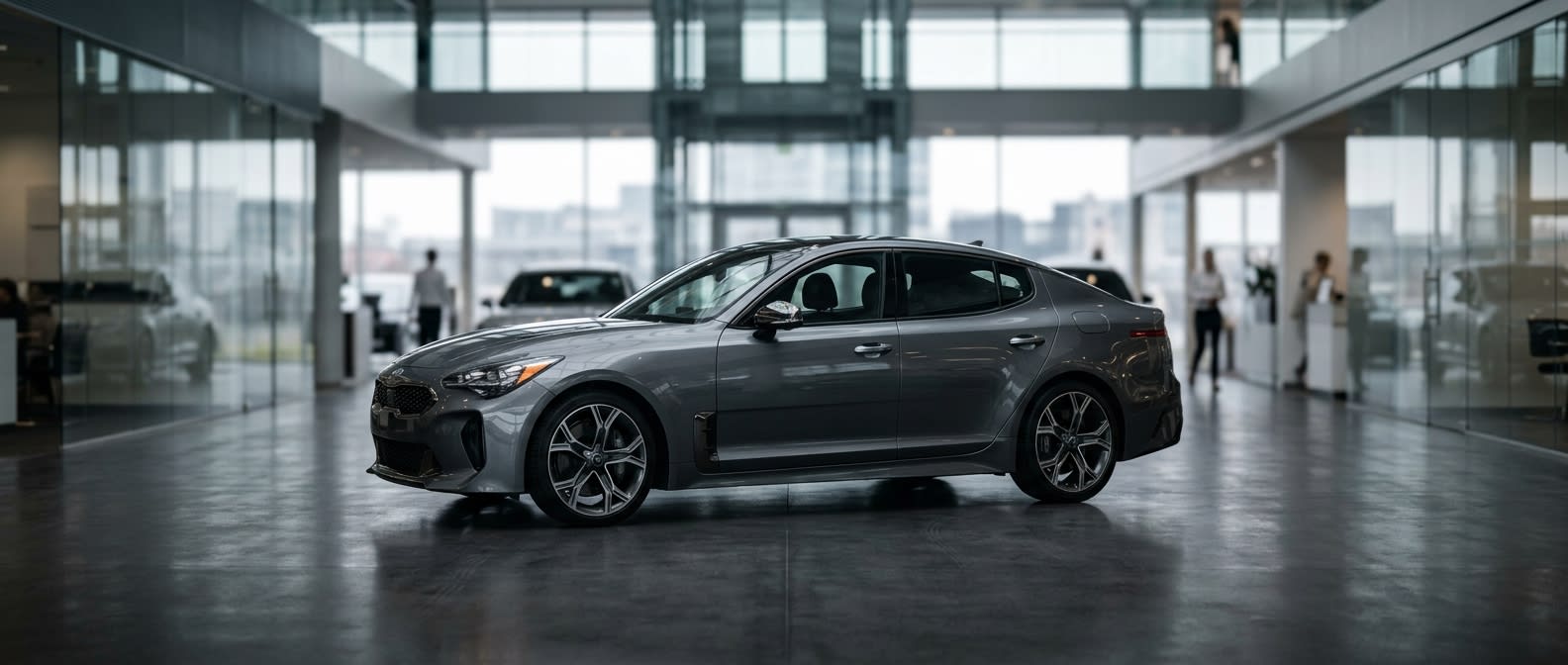
From a design perspective, the prototype captured on the track reveals a vehicle that balances modern geometric styling with the muscular proportions traditionally associated with the M division. Unlike the stubby, aerodynamic-focused design of the upcoming electric variants, the gas-powered model retains a long hood and an aggressive, low-slung stance. The front fascia introduces a fresh interpretation of the iconic kidney grille, featuring integrated lighting elements and sharp, angular air intakes. These design choices suggest that BMW intends to create a visual distinction between the electric and internal combustion models, signaling to enthusiasts that these vehicles offer inherently different driving characters.
The mechanical heart of this next-generation model remains its most anticipated feature. Industry insiders expect the car to utilize a refined iteration of the S58 twin-turbocharged 3.0-liter inline-six engine. While some competitors are shifting toward complex plug-in hybrid systems to meet tightening emissions regulations, BMW appears to be favoring a leaner approach, potentially employing light mild-hybrid assistance to maintain the raw, responsive feel that defined previous generations. By opting against a full-scale heavy hybrid system, BMW is prioritizing weight savings and agility, ensuring the vehicle remains a benchmark for precision handling on both winding roads and professional tracks.
This dual-track strategy reveals a significant shift in how luxury automakers are approaching the market. By catering to both the environmentally conscious early adopters and the traditional performance purists, BMW is effectively de-risking its portfolio. The decision to maintain a gas-powered option allows the company to retain its loyal customer base while simultaneously developing the software and battery expertise necessary for the electric future. This approach recognizes that the transition to sustainable mobility will not be uniform across all global markets or demographics, and that for many enthusiasts, the visceral experience of a high-revving internal combustion engine remains a vital product feature.
However, the shift toward a more digital future is evident in other aspects of the vehicle's development. While the combustion engine is secure for now, the potential phasing out of the rear-wheel-drive entry point and the likely absence of a manual transmission reflect the changing demands of the modern consumer. Technology is increasingly dictating performance, with all-wheel-drive systems and advanced chassis control modules becoming the standard for delivering power to the pavement effectively. Professionals in the automotive sector will continue to watch these developments closely, as they represent a bellwether for how heritage brands will sustain their identity in a carbon-neutral world.
Ultimately, the survival of the combustion M3 serves as a reminder that consumer preference remains the most powerful force in the industry. As manufacturers struggle to balance profitability, environmental compliance, and brand legacy, staying informed through the use of predictive analytics and automated market intelligence is becoming an essential strategy for those navigating this rapidly shifting landscape.