Jeep Strategically Pauses Wagoneer S Production to Align with Industry Charging Standards
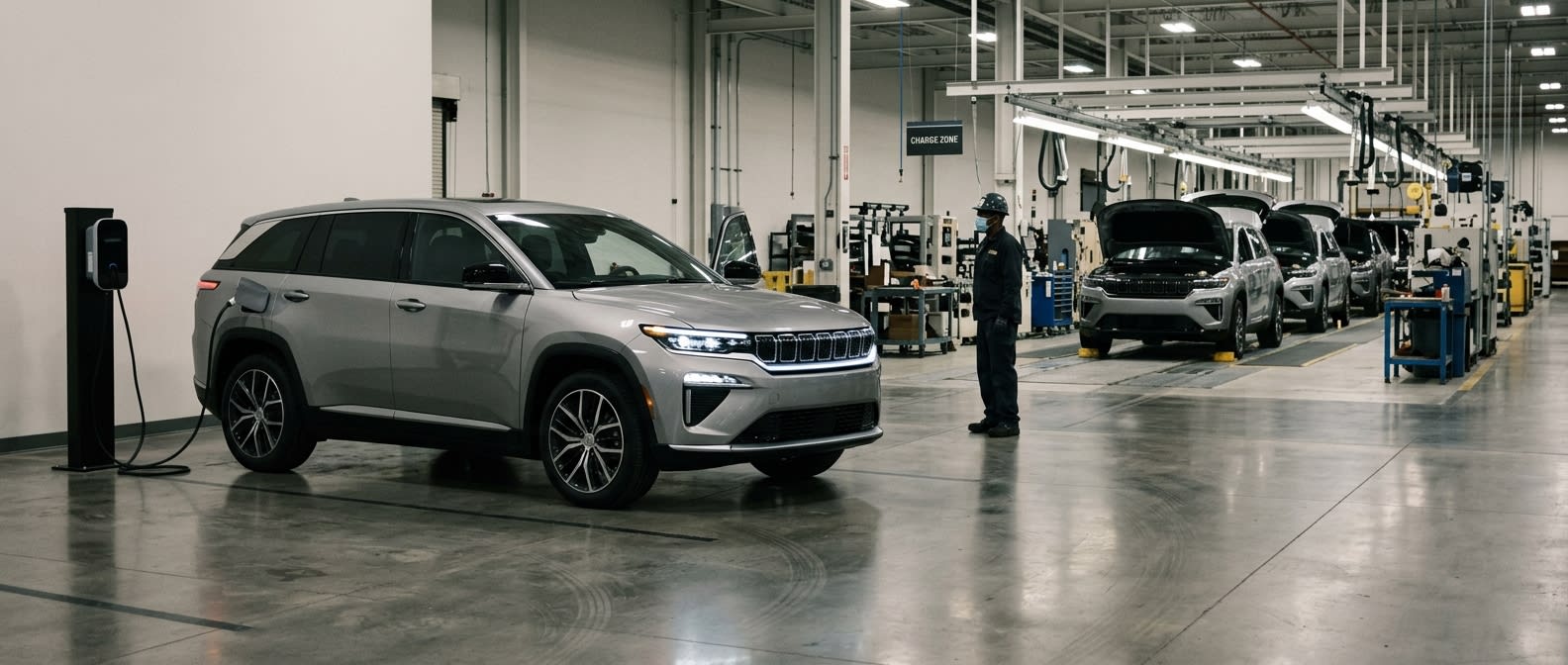

The automotive landscape is undergoing a period of rapid recalibration as manufacturers navigate the complexities of electric vehicle adoption. Jeep has recently signaled a tactical shift for its flagship electric crossover, the Wagoneer S, by confirming that the model will skip the 2026 production year entirely. This decision, while appearing to be a temporary withdrawal from the market, serves as a calculated strategic pause designed to allow the brand to integrate critical infrastructure upgrades and technical refinements before reintroducing the vehicle for the 2027 model year.
This hiatus is not merely a reaction to current market conditions but a deliberate move to synchronize the Wagoneer S with the industry-wide transition to the North American Charging Standard, or NACS. By moving away from the Combined Charging System (CCS) port in favor of the NACS interface, Jeep is effectively granting future owners seamless access to the expansive Tesla Supercharger network. This transition is essential for enhancing the long-term value and utility of the vehicle, as the broader automotive ecosystem increasingly adopts this standard to solve the persistent issue of charging anxiety among consumers.
Industry experts observe that this move highlights a growing trend among legacy automakers who are choosing to prioritize platform longevity over maintaining a constant presence on dealership floors during slower sales cycles. The Wagoneer S experienced a noticeable cooling in demand over the latter half of 2025 and the beginning of 2026, with sales figures dipping significantly compared to its initial launch performance. By throttling back production now, the manufacturer avoids the pitfalls of building excess inventory that would soon become technologically obsolete due to the impending charging hardware switch.
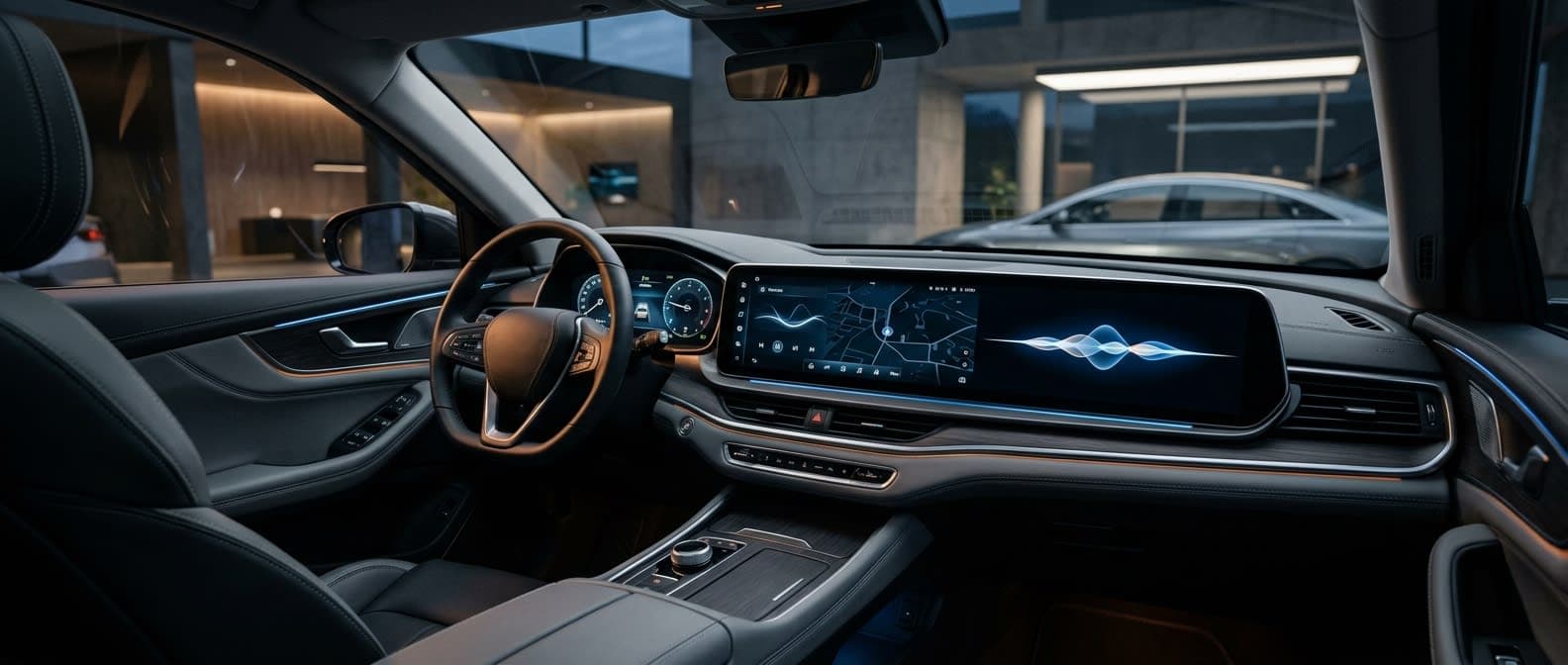
Beyond the hardware update, the sabbatical provides Jeep with a valuable window to optimize the software and battery management systems of the Wagoneer S. As electric vehicle technology matures, the competitive gap between models is increasingly defined by software integration and efficiency rather than raw range numbers alone. Taking the time to refine the vehicle’s operating system and thermal management capability ensures that when the 2027 model reaches consumers, it will be positioned as a more robust and refined product capable of better competing in an increasingly saturated luxury electric SUV segment.
For dealers, the temporary halt does not mean an immediate exit. Existing units will continue to be available for purchase and lease, allowing the brand to manage remaining supply while waiting for the next generation to arrive. This transition period underscores a larger reality of the modern auto market: the speed of innovation is so high that manufacturers must be willing to sacrifice short-term market presence to ensure their platforms remain relevant against rapidly evolving competition. For many, this move signifies a move toward more disciplined production planning.
As the industry pivots toward these complex transitions, the pressure on stakeholders to make data-driven decisions has never been higher. Whether it involves monitoring inventory turnover or tracking shifts in infrastructure standards, professionals within the automotive sector are increasingly relying on advanced analytics to navigate this period of volatility. Utilizing sophisticated data monitoring tools and AI-driven insights allows industry leaders to stay ahead of the curve, ensuring that they can effectively anticipate these strategic shifts before they impact the bottom line.