Unlocking Predictability in Land Development Through Real-Time Site Intelligence

For over a decade, the residential construction industry has relied on a rising tide of home prices to mask the underlying operational inefficiencies that plagued development projects. However, that era of easy margins has effectively closed. With builder confidence hovering well below the critical break-even threshold and construction timelines stretching significantly longer than they were ten years ago, the sector is entering a period where precision is the only path to profitability. As capital remains tied up in stalled or delayed projects, the industry is finally shifting its focus from the vertical construction of homes toward the more unpredictable, yet essential, horizontal development of land.
The fundamental challenge builders face is the stark difference between building a house and preparing a lot. Vertical construction has become a masterclass in standardization. Production builders utilize repeatable floor plans and highly refined workflows, allowing for predictable milestones from foundation to move-in. In contrast, land development remains a frontier of variables. Every site comes with a unique set of challenges, from unpredictable topography and soil conditions to complex regulatory hurdles and drainage requirements. Because no two plots of land are identical, historical benchmarks have struggled to provide the same level of granular oversight that exists in vertical assembly.
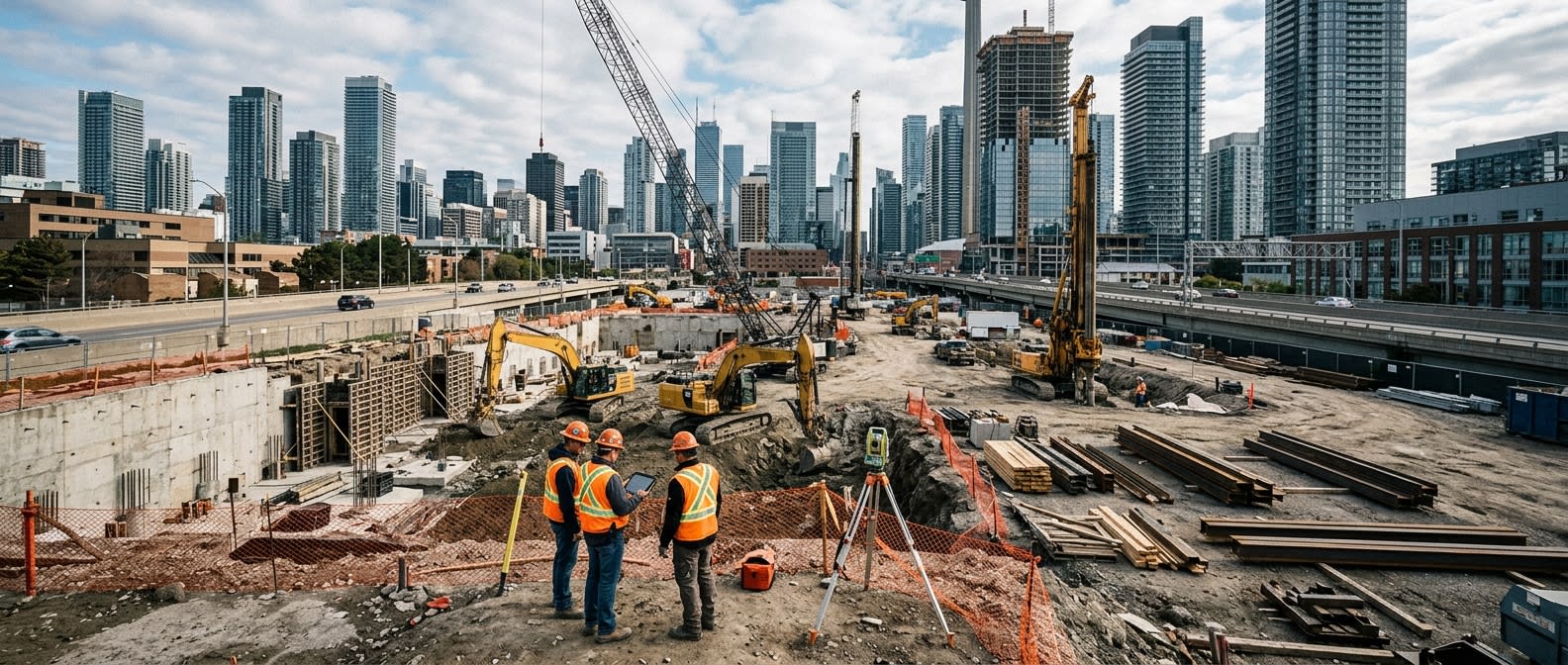
This lack of visibility in horizontal development is currently costing the industry billions of dollars in carrying costs and wasted labor. When developers lack real-time data on earthwork volumes or utility progress, they are essentially flying blind. Decisions regarding lot yields and project timelines are often finalized long before a single piece of heavy machinery hits the dirt, based on engineering studies that may not account for site-specific nuances like hidden tree cover or subsurface water issues. When these discrepancies are discovered midway through the grading phase, the resulting delays trigger a domino effect of added costs that erode thin profit margins.
The industry is now beginning to realize that the next major competitive advantage lies in digital transparency. Leaders in the sector are moving away from reactive management and toward active, data-driven site intelligence. By integrating real-time monitoring tools, builders can track the actual progress of earthmoving and infrastructure installation against their initial site plans. This level of oversight turns the land development phase from an unpredictable black box into a manageable, measurable workflow. Knowing exactly where a project stands on a daily basis allows firms to identify bottlenecks before they turn into multi-week delays.
Moreover, the human capital shortage currently impacting the trades adds another layer of urgency. With billions of dollars in potential growth lost annually to labor constraints, every day that a site remains incomplete is a day where scarce, expensive labor is being utilized inefficiently. Improving horizontal cycle times is no longer just about saving on interest; it is about maximizing the output of limited crews and equipment. When developers can forecast lot deliveries with high accuracy, they can synchronize vertical construction crews more effectively, reducing the downtime that has become a silent tax on the entire housing supply chain.
Ultimately, the shift toward professionalizing land development is a necessary evolution for a market that can no longer afford to operate on estimates and guesswork. The builders who thrive in the coming years will be those who treat their horizontal operations with the same rigor and standardization as their vertical ones. By leveraging modern diagnostic tools and adopting a mindset of continuous site monitoring, companies can mitigate risks and recapture the predictability needed to succeed in a volatile economy. Navigating these complex operational shifts is significantly easier for those who prioritize the integration of advanced data and intelligent technology into their daily project management strategy.