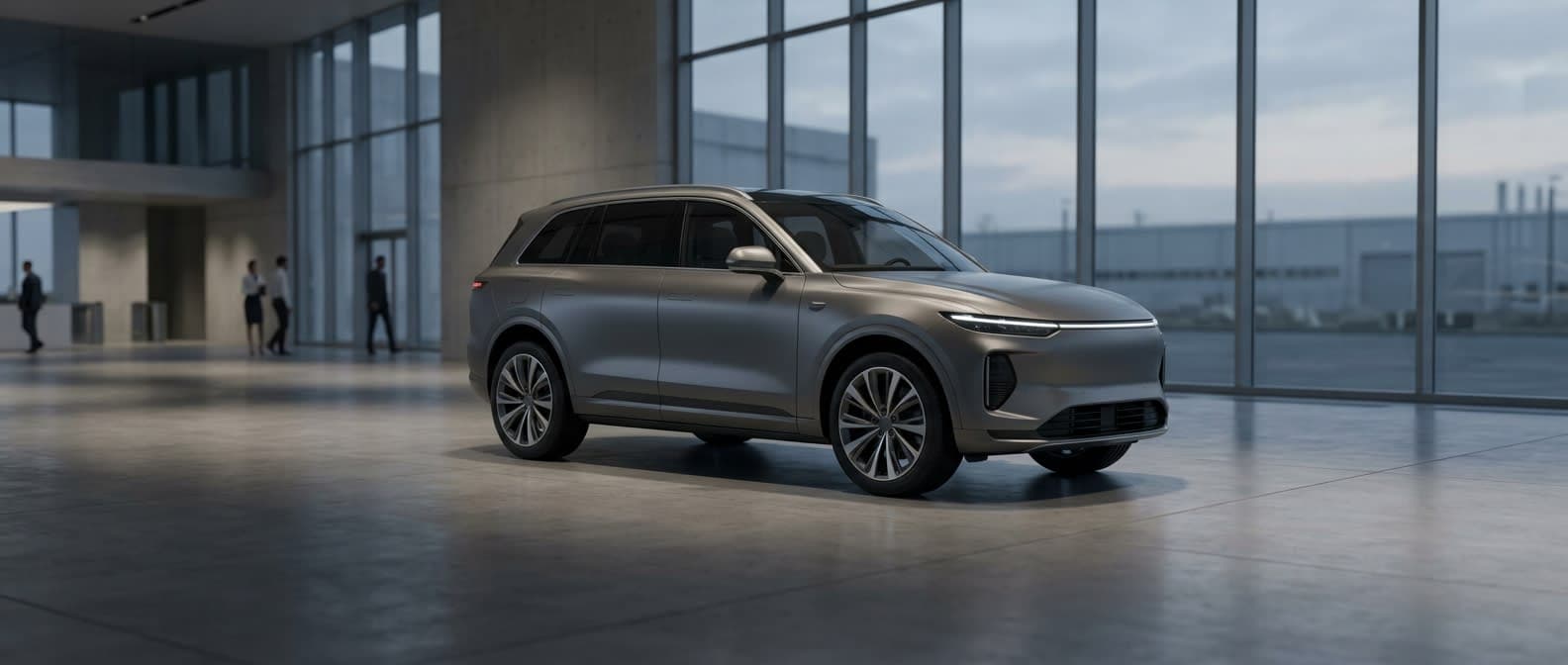
The Automotive Horizon: Defining Vehicles Heading to Production
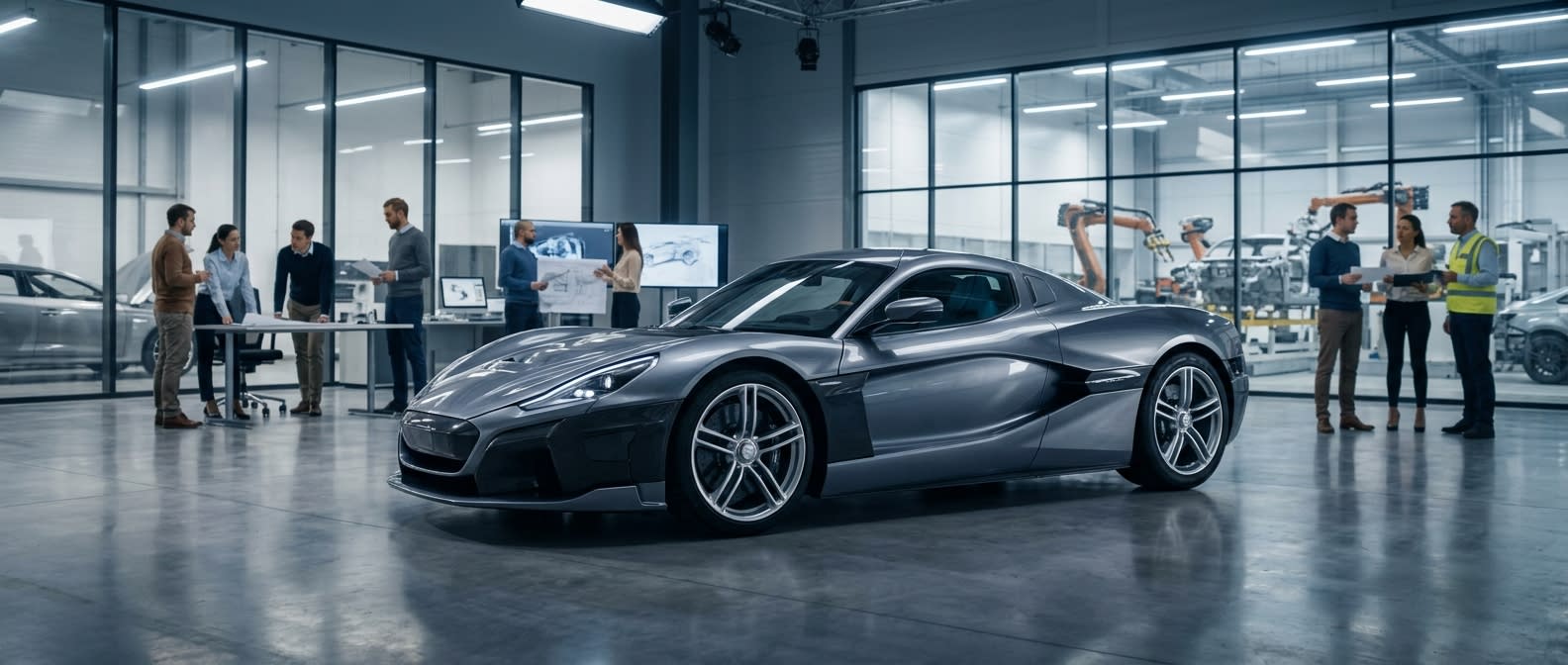

The automotive industry is currently navigating a period of profound transition. While market trends are frequently dominated by the relentless output of interchangeable crossovers, a distinct class of vehicles is currently being forged behind closed doors in design studios and engineering labs. These forthcoming models, slated for release between 2026 and 2030, represent a tactical pivot for many major manufacturers. They are not merely iterative updates; they are strategic responses to shifting regulatory landscapes, evolving consumer sentiment, and the unavoidable march toward electrification and high-performance hybridization.
Alfa Romeo is repositioning itself to balance its heritage with modernity by transitioning the Stelvio to the STLA Large platform. Pushed to a 2027 launch, this second-generation SUV intends to bridge the gap between compact and mid-size dimensions while offering a diverse powertrain menu. By incorporating both hybrid and fully electric options—and potentially utilizing the high-performance Hurricane twin-turbo inline-six for a Quadrifoglio variant—Alfa is signaling that performance and electrification are not mutually exclusive. This approach mirrors the broader industry effort to appease traditional performance enthusiasts while meeting green mandates.
Similarly, German luxury brands are betting heavily on the emotional appeal of EVs to sustain their market dominance. Audi is developing a radical successor to the TT and R8 platforms, aiming for a 2027 release. By sharing architecture with the Porsche 718 EV line, Audi is positioning this new sports car as a benchmark for interior refinement and design language. BMW is taking a parallel route by expanding its 800-volt architecture to the upcoming i3 sedan and the much-anticipated iM3, which promises to leverage a quad-motor setup to maintain its status as the quintessential sports sedan in an electrified format.
In the United States, the stakes are equally high for domestic giants, though their strategy centers on balancing legacy power with efficiency. Chevrolet is preparing an extensive overhaul of the Silverado for 2027, focusing on small-block V-8 performance and improved fuel economy to retain its stronghold in the lucrative truck market. Even more intriguing is the planned return of the Camaro for the 2029 model year. By potentially offering both two and four-door configurations and utilizing the powerful 6.7-liter V-8 borrowed from the Corvette, Chevrolet is clearly attempting to revitalize its performance image without abandoning the practical realities of the modern sedan market.
Dodge, meanwhile, provides perhaps the most fascinating case study in market course-correction. After realizing that an all-electric pivot for the Charger did not immediately resonate with its core demographic, the brand is reintroducing the legendary Hemi V-8. This move highlights a critical industry realization: heritage branding remains a massive commercial asset. By reintroducing internal combustion alongside electric options, Dodge is prioritizing customer loyalty, a sentiment mirrored by Ferrari’s own complex navigation of high-performance electric SUVs alongside its iconic V-12 legacy.
The impact of these releases on the broader economy cannot be overstated. These vehicles represent billions in R&D investment and a complex bet on infrastructure readiness. As manufacturers oscillate between aggressive electrification and the preservation of internal combustion, the supply chain and dealer networks must adapt to an increasingly bifurcated market. Analysts suggest that the success of these models will depend largely on how well brands can marry digital-first technology with the tactile, visceral experience that defined the golden age of automotive design.
As the landscape continues to shift at an unprecedented pace, staying informed through integrated data and analytical tools remains the most effective way for industry professionals to successfully navigate these evolving complexities.