Stellantis Plots Ambitious North American Expansion Through Brand Reinvention
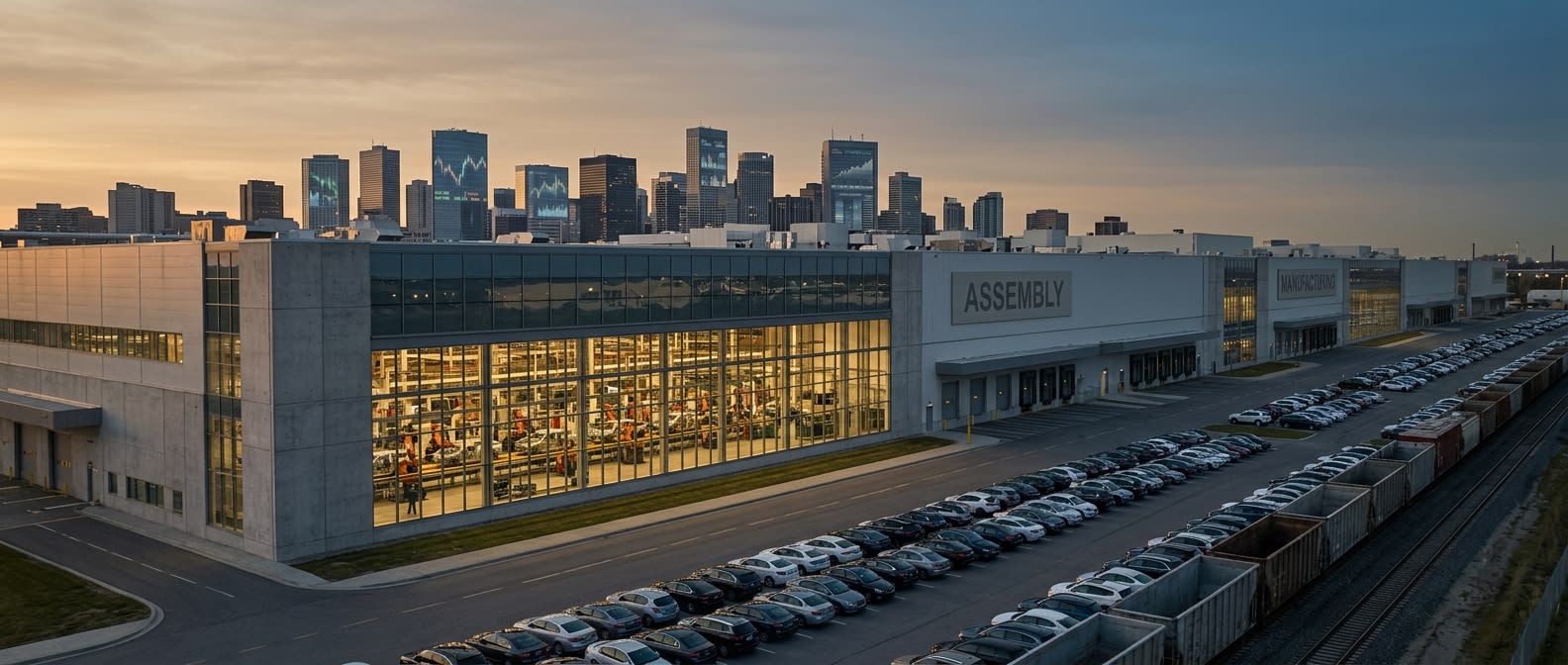

Stellantis has unveiled a bold strategic roadmap aimed at capturing a significantly larger slice of the North American automotive market by the end of the decade. The automaker, which oversees a diverse portfolio of legacy brands, announced a target to boost its regional sales volume by 35 percent by 2030. This initiative is part of a comprehensive 60 billion euro global turnaround plan designed to balance aggressive growth with heightened operational profitability, signaling a shift in how the conglomerate intends to compete in a saturated domestic market where overall vehicle volume is projected to remain relatively stagnant.
At the heart of this growth strategy is a massive revitalization of the Chrysler brand. Long sidelined by a limited product lineup, Chrysler is slated to receive a series of new crossover models, moving the brand beyond its current reliance on the minivan segment. Leadership at Stellantis views this expansion as critical to capturing younger demographics and families who have migrated away from traditional sedans and toward the versatile crossover market. The company is setting a high bar, projecting a 60 percent sales increase for both Chrysler and its heavy-hitter, Ram Trucks, by 2030.
The plan also outlines specific growth targets for other core brands in the company's American stable. Jeep, the group’s global powerhouse, is expected to see a 15 percent increase in sales, while the Dodge performance brand is projected to grow by 10 percent. These figures are particularly striking when viewed against the backdrop of an industry that experts believe will struggle to see significant total volume growth. By aiming to push brand sales from approximately 1.4 million units last year to nearly 1.9 million by 2030, Stellantis is essentially betting that it can aggressively steal market share from domestic and international competitors through a diversified product catalog.
This pivot is not merely about launching new metal; it represents a fundamental change in the company's approach to market coverage. Management has committed to increasing the number of available models by 50 percent, creating a strategy that bookends the market. By offering more entry-level options to capture budget-conscious consumers and high-performance vehicles to maintain brand prestige and enthusiast loyalty, the company hopes to build a more resilient revenue stream. The goal is to prove that a massive traditional automaker can streamline its operations while simultaneously diversifying its offerings to meet changing consumer preferences.
Industry analysts suggest that this strategy comes at a pivotal time for the auto sector, which is navigating the complex transition toward electrification and shifting supply chain dynamics. By doubling down on the revival of legendary names like Chrysler and Ram, Stellantis is leveraging significant brand equity that has historically resonated with American buyers. However, success will depend heavily on the execution of the 60 billion euro investment plan, which aims to modernize manufacturing facilities and optimize supply chains to ensure that these new models reach showrooms without the production bottlenecks that have plagued the industry in recent years.
The economic implications for the automotive sector are substantial. If Stellantis hits these targets, it will solidify its position as a dominant force in North America, forcing competitors to rethink their own product timelines and pricing strategies. As the market pivots toward more specialized and diverse vehicle segments, the ability to scale production while maintaining quality will be the primary separator between winners and losers. For professionals tasked with navigating these shifts, utilizing data-driven insights and advanced forecasting tools remains essential for staying ahead of the curve in this rapidly evolving global industry.