Resilient Housing Demand Persists Despite Rising Mortgage Rates
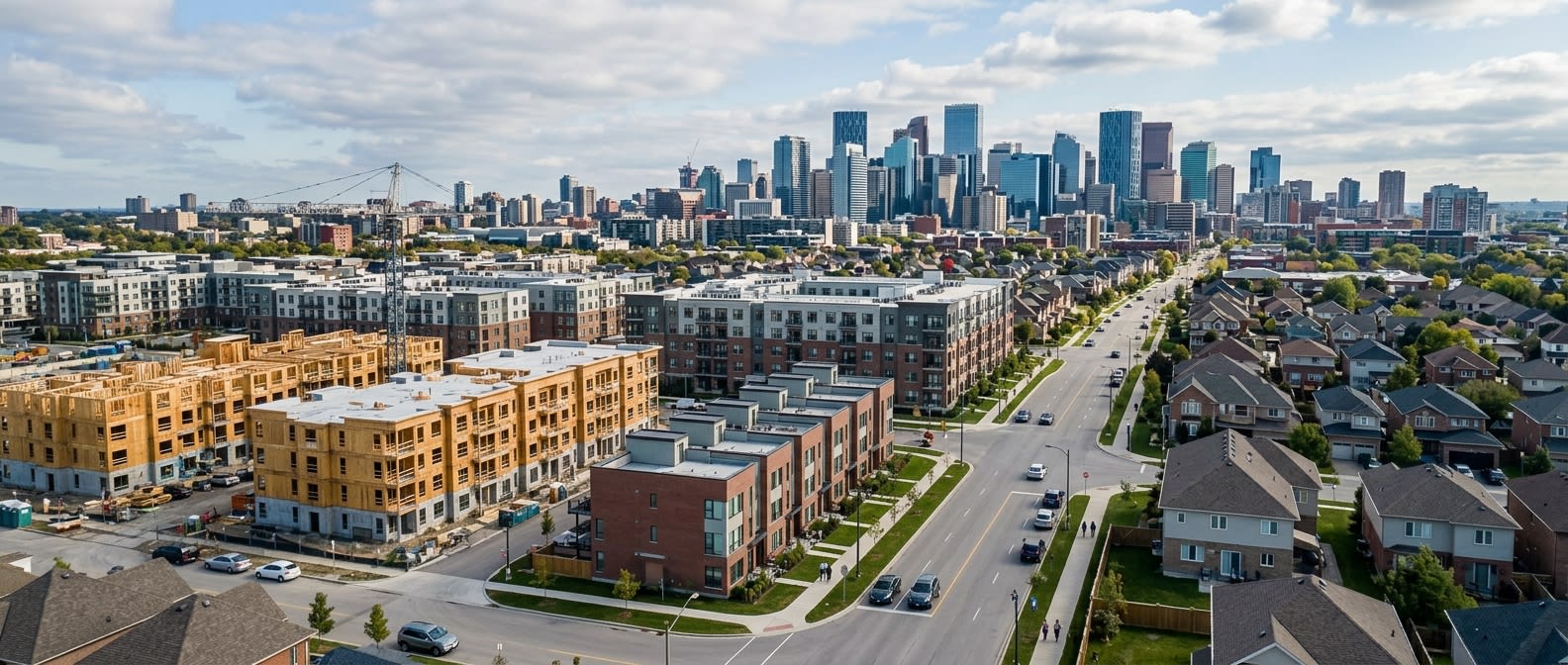

The current residential real estate market is displaying a surprising degree of durability, defying conventional logic as mortgage rates climb toward their 2026 highs. Despite a confluence of external pressures, including rising oil prices spurred by geopolitical instability and widespread economic uncertainty, the housing sector has maintained positive year-over-year growth. Market analysts have noted that when accounting for seasonal anomalies like winter weather disruptions earlier this year, the demand for housing has remained remarkably firm, signaling that buyers are increasingly acclimating to the "new normal" of higher borrowing costs.
Recent data shows a standard post-holiday surge in activity, with both pending home sales and purchase applications showing strength. While a slight week-to-week dip in purchase applications was noted, the year-over-year gains remain significant. Industry experts look for consistent positive weekly trends—ideally stretching over a three-month period—as the primary indicator of long-term stability. The fact that purchase applications have maintained year-over-year growth despite the current rate environment is being viewed by many as a quiet victory for the sector.
The broader economy continues to exert upward pressure on the 10-year yield, primarily through robust labor market reports. As job openings and payroll data remain strong, the 10-year yield has faced upward movement, which inevitably flows through to mortgage rates. While some forecasted that rates might settle at lower levels, the persistent strength of the labor market suggests that the ceiling for bond yields remains under pressure. If inflation trends begin to drift higher alongside economic growth, mortgage rates could remain elevated for longer than previously anticipated.
One of the most critical factors providing a safety net for the housing market is the performance of mortgage spreads. Without the current compression in spreads, mortgage rates would likely be testing levels well above 7 percent. While spreads are currently higher than their annual lows, they remain within a range that has prevented a total freeze in borrowing. This technical aspect of the credit market is currently one of the strongest defensive pillars supporting affordability, as it keeps home financing just within the reach of many prospective buyers.
Inventory and new listing data are also showing signs of returning to a healthier, pre-pandemic rhythm. Following a typical post-holiday snapback, new listings have demonstrated year-over-year growth, moving the industry closer to the stable levels seen between 2013 and 2019. This influx of supply is a vital development for market health. While inventory remains slightly below last year’s levels in some metrics, the overall trend is far more sustainable than the record lows observed during the 2020 through 2023 period.
Ultimately, the market is navigating a complex intersection of high rates, labor strength, and shifting inventory patterns. Whether this resilience can hold as rates remain near their annual peaks depends on the delicate balance between inflation data and consumer confidence. As the landscape continues to evolve rapidly, professionals who leverage advanced analytical tools and modern data solutions remain best positioned to interpret these fluctuating trends and guide their clients through the complexities of the current housing cycle.