Resilience Tested: Major Banks Cleared to Weather Massive Economic Downturn
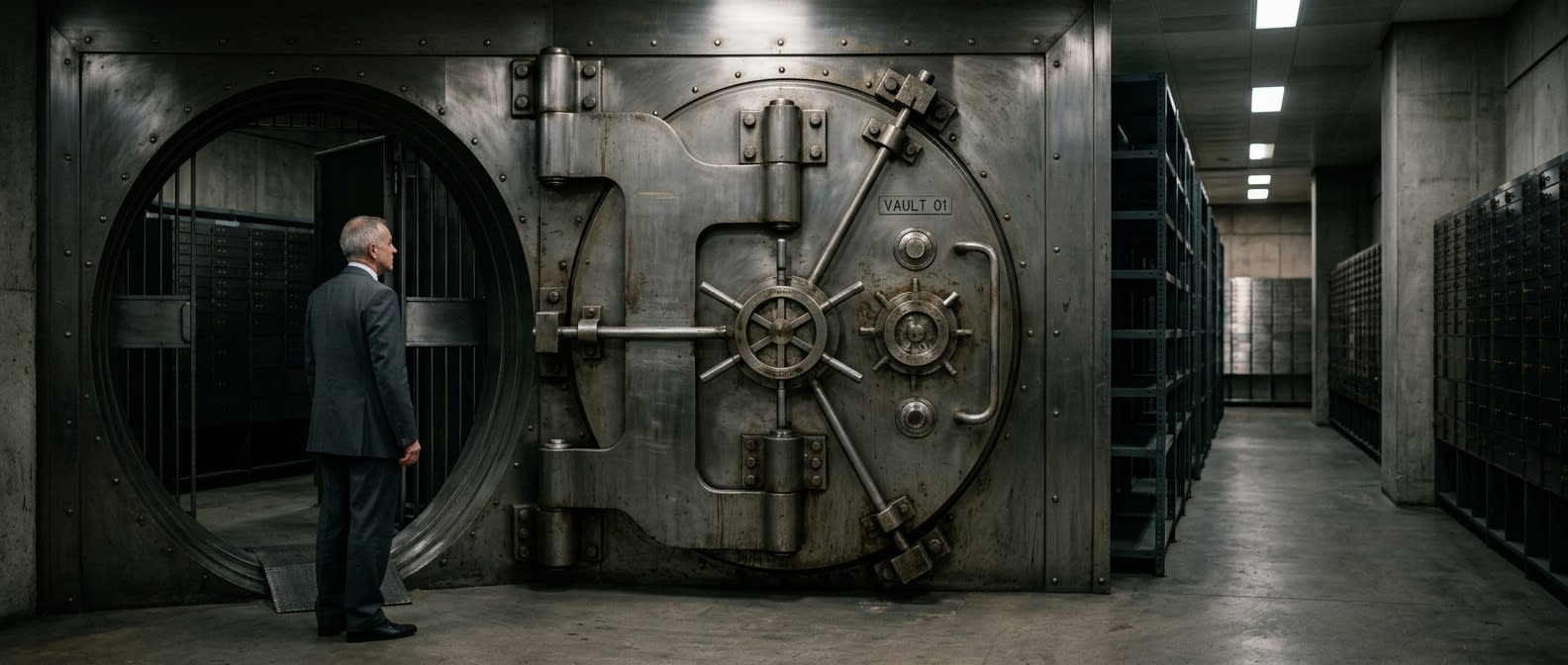

The latest annual stress test conducted by the Federal Reserve has delivered a reassuring signal to the financial markets, confirming that the nation’s largest banking institutions possess the capital strength necessary to navigate a severe economic collapse. According to the regulatory findings, all 32 participating banks demonstrated the ability to maintain capital levels well above their mandatory minimums, even under the weight of a hypothetical, high-stress scenario that projected cumulative losses exceeding 708 billion dollars. This comprehensive assessment serves as a critical checkpoint for the industry, particularly as regulators balance the need for rigorous oversight with the objective of maintaining consistent credit availability.
To arrive at these conclusions, the Federal Reserve devised a grueling hypothetical environment designed to push institutional balance sheets to their breaking points. The scenario modeled a global recession characterized by a sharp spike in the national unemployment rate to 10 percent, a drastic 39 percent devaluation in commercial real estate, and a 30 percent plummet in residential housing prices. By subjecting the banks to these extreme variables, the Fed aimed to measure the stability of the common equity tier 1 capital ratio, which acts as the primary buffer against insolvency. During the simulation, the aggregate capital ratio for the industry fell by just 1.6 percentage points, a margin that regulators found well within acceptable parameters.
A deeper breakdown of the projected losses reveals where the vulnerabilities lie in the current banking landscape. Of the 708 billion dollars in estimated losses, approximately 200 billion dollars was attributed to credit card portfolios, reflecting concerns over consumer debt levels. Commercial and industrial loans accounted for another 160 billion dollars in potential write-downs, while commercial real estate assets contributed roughly 75 billion dollars. Despite these significant figures, the capacity of these institutions to absorb such blows without requiring external intervention highlights the effectiveness of the capital requirements imposed in the years following the 2008 financial crisis.
For the broader economy, these results are a vital indicator of systemic health. When banks hold enough capital to survive a downturn, they are theoretically capable of continuing to provide liquidity to businesses and households even when the macroeconomic environment turns sour. This capacity for continued lending is the backbone of economic recovery, preventing a temporary recession from spiraling into a permanent stagnation. By proving their resilience, these institutions provide a level of institutional certainty that helps stabilize investor confidence and promotes long-term capital investment.
The results also come at a pivotal time for regulatory policy. While the industry has been pushing for a more flexible approach to capital mandates, the Federal Reserve has maintained a firm stance. Earlier this year, regulators announced that the specific stress test buffers applied to these banks would remain unchanged until 2027. This decision provides the banking sector with a predictable regulatory horizon, allowing management teams to plan their capital allocation strategies, including share buybacks and dividends, with a clear understanding of the Fed’s expectations for the coming years.
Ultimately, the successful navigation of these stress tests is a testament to the maturation of risk management practices across the financial sector. However, the industry cannot afford to be complacent. As interest rate environments shift, technological disruptions accelerate, and geopolitical risks evolve, the methodology used to assess systemic stability must also continue to advance. Professionals who leverage sophisticated analytical tools and AI-driven insights are better positioned to anticipate these regulatory shifts and manage portfolio risks in an increasingly volatile global economy.