Pickleball and Pedestrian Pathways Redefining the Modern Retirement Lifestyle

The evolution of the active-adult housing market is currently witnessing a masterclass in development strategy at the massive Riverland project in Port St. Lucie, Florida. Spanning 4,000 acres, this community has transformed the traditional vision of retirement living by prioritizing high-intensity social infrastructure over passive amenities. With 4,200 homes sold since 2018 and an ambitious plan to reach 11,000 units at buildout, the project is proving that strategic placemaking is not just a marketing luxury, but a core driver of long-term sales velocity.
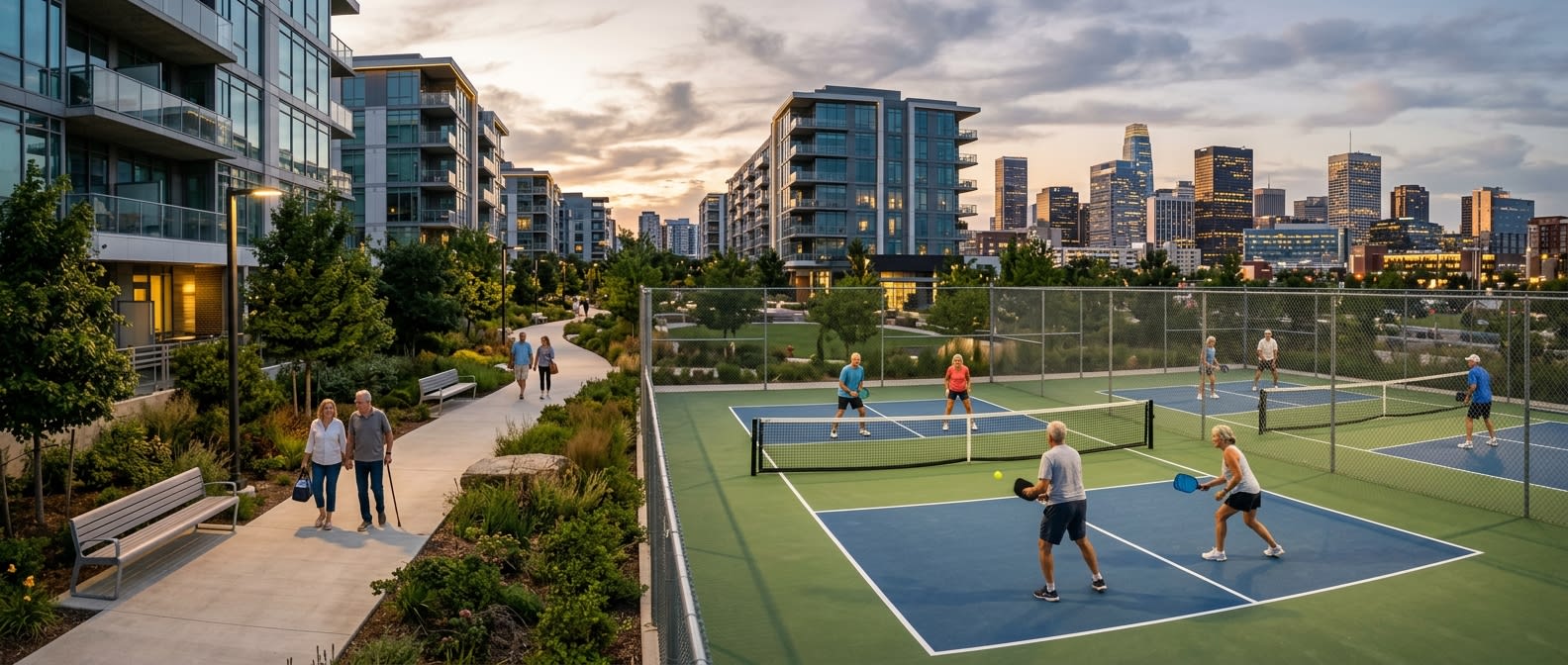
At the heart of this success lies a shift in how developers view the space between homes. Instead of merely building cul-de-sacs and individual housing units, the developers have invested heavily in a connective spine known as the Paseo Greenway. This two-mile trail system acts as the community’s circulatory system, utilizing tunnels that allow residents to navigate the vast grounds via foot, bicycle, or golf cart without ever crossing a major roadway. By partnering with the local municipality to integrate this infrastructure into the regional landscape, the project has ensured that its internal connectivity feels seamless rather than isolated.
Beyond the physical pathways, the development has successfully tapped into the surging national obsession with pickleball. Recognizing the sport’s ability to act as a social lubricant, the community is rapidly scaling its infrastructure to accommodate 85 private courts, cementing its status as one of the largest hubs for the sport in the country. Data from the site confirms this strategy is paying off, with over a thousand court reservations processed weekly. This level of engagement provides a clear indicator of what modern retirees value: the ability to build immediate, active social networks upon moving into a new environment.
The implications for the broader real estate industry are significant. For decades, active-adult communities often relied on golf courses or basic community centers to entice buyers. However, the demographic shift toward more health-conscious and socially active seniors necessitates a move toward wellness-centric programming. Developers who can create environments that facilitate these high-interaction activities are discovering that amenities are no longer just static features; they are essential components of the sales process that foster resident retention and word-of-mouth referrals.
Furthermore, this model challenges the notion that massive, multi-year master-planned communities must suffer from a loss of intimacy as they grow. By concentrating on specialized "magnets" like massive fitness complexes, arts programming, and sports lounges, the developers have successfully scaled community spirit. The lesson here is that as the active-adult market grows more competitive, the builders who succeed will be those who treat community connectivity as a foundational design element rather than an afterthought.
Ultimately, the trajectory of this development highlights a broader economic reality in the housing market: amenities that promote movement and social interaction are increasingly prioritized by buyers over traditional square-footage metrics. As developers look toward the future, these human-centric designs offer a blueprint for creating value that survives the test of time. Navigating these complex shifts in buyer preference requires both a keen eye for market trends and the ability to integrate advanced analytical tools to ensure that every development decision aligns with the evolving needs of the modern resident.