Nissan Reinvents the Rogue Hybrid Strategy for 2027


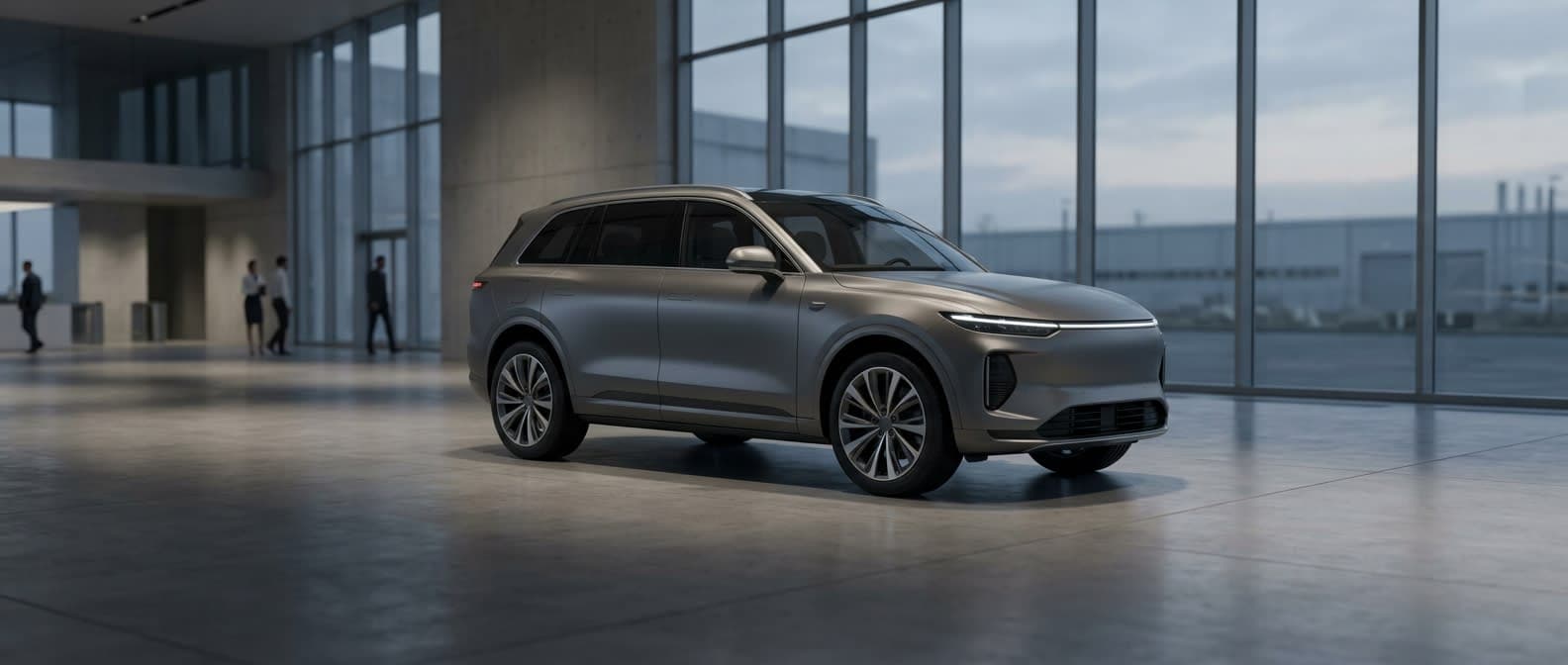
Nissan is preparing to overhaul its compact SUV strategy with the introduction of a completely reimagined 2027 Rogue Hybrid. After a brief and somewhat experimental production run for the 2026 model year, the automaker is moving to solidify its position in the electrified market by pivoting away from shared platforms. Instead of relying on badge-engineering tactics with Mitsubishi, Nissan is bringing its sophisticated proprietary technology to the North American market, signaling a more aggressive stance in its transition toward sustainable propulsion.
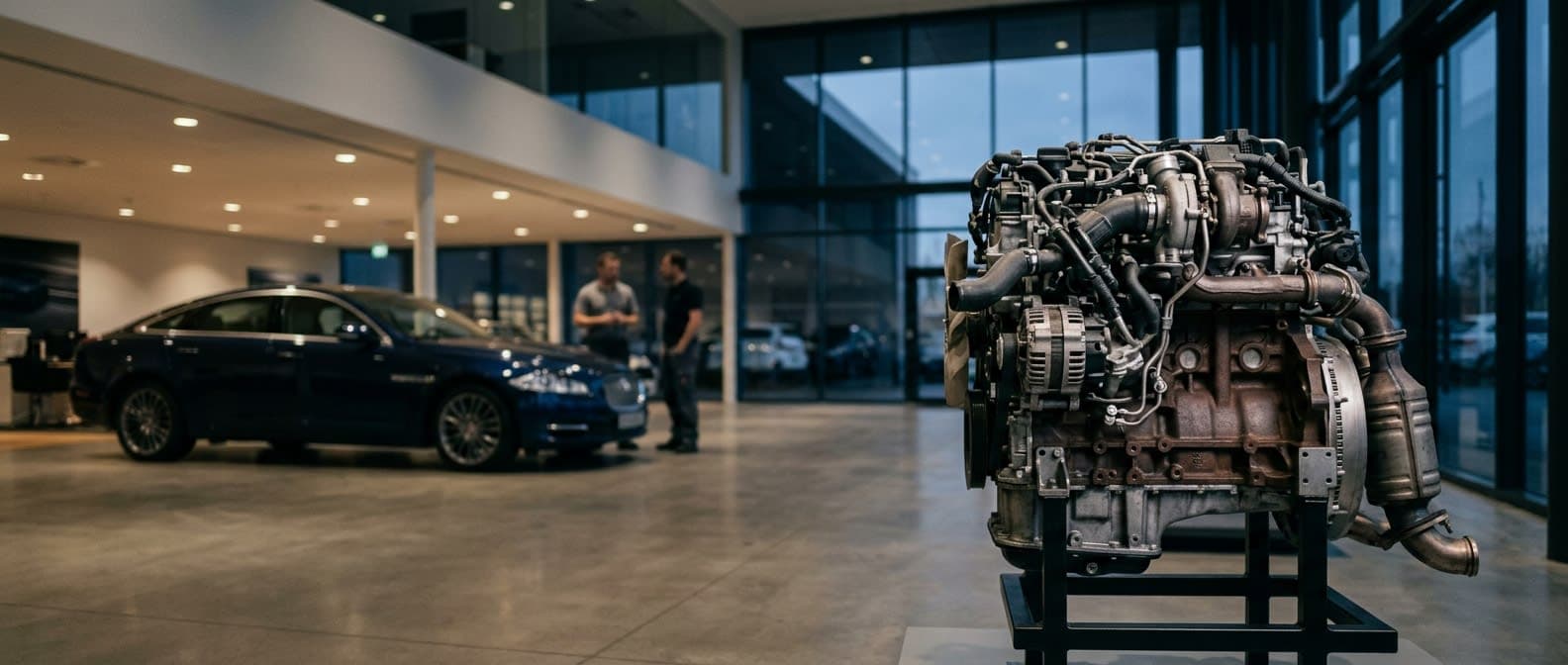
The centerpiece of this update is the deployment of Nissan’s e-Power system, a unique series-hybrid architecture that differentiates itself from the industry-standard parallel hybrid configurations found in top-tier competitors like the Toyota RAV4 and Hyundai Tucson. In a traditional parallel setup, the gasoline engine works in tandem with an electric motor to drive the wheels, often resulting in a complex mechanical connection. In contrast, Nissan’s e-Power design utilizes a turbocharged 1.5-liter gasoline engine strictly as an onboard power generator. The internal combustion unit does not directly power the drivetrain; instead, it generates electricity to charge the battery, which then feeds the electric motors that turn the wheels.
This shift to a series-hybrid layout offers distinct advantages, particularly for urban commuters. Because the electric motors provide the primary motive force, drivers can expect the immediate torque and silent operation characteristic of a fully electric vehicle, while the gas engine acts as an efficient range extender. By integrating this system into an all-wheel-drive configuration for the 2027 Rogue, Nissan is directly addressing consumer demands for both efficiency and capability in varying weather conditions. Experience with the system abroad suggests that the transition between electric-only propulsion and generator-assisted power is seamless, providing a driving experience that feels more refined than traditional combustion alternatives.
From an industry perspective, this move reflects a broader trend of manufacturers seeking to bridge the gap between internal combustion and full battery-electric vehicles. By investing in e-Power, Nissan is betting that consumers want the benefits of an electric powertrain without the anxiety associated with charging infrastructure or long-distance range limitations. For the automotive industry, the success of the 2027 Rogue Hybrid will likely serve as a litmus test for how effectively series-hybrid technology can compete against the established dominance of parallel hybrid systems that have long defined the compact SUV segment.
Market analysts anticipate that the 2027 Rogue Hybrid will follow Nissan’s traditional trim-level hierarchy, likely keeping the entry price competitive with the top-tier gasoline-powered Rogue models. While official output figures remain under wraps, the utilization of a turbocharged generator suggests that Nissan intends to prioritize a balance between punchy acceleration and high-mileage efficiency. This strategic positioning is crucial, as the compact SUV market remains the most contested territory in the automotive sector, where brand loyalty is often tested by fuel economy metrics and technological value.
As the launch date approaches, the industry will be watching to see if Nissan can successfully scale its e-Power technology to meet the high volume demands of North American buyers. The transition represents more than just a model update; it is an organizational pivot toward a more efficient manufacturing philosophy that reduces reliance on external partners. As global supply chains continue to evolve, leveraging proprietary software and powertrain innovation is essential for any automaker aiming to stay ahead of regulatory pressures and changing consumer preferences. Staying informed with the right analytical tools and AI-driven market insights ensures that automotive professionals can effectively anticipate these shifts and make data-backed decisions in a rapidly changing landscape.