Navigating the Legacy of Jerome Powell at the Federal Reserve
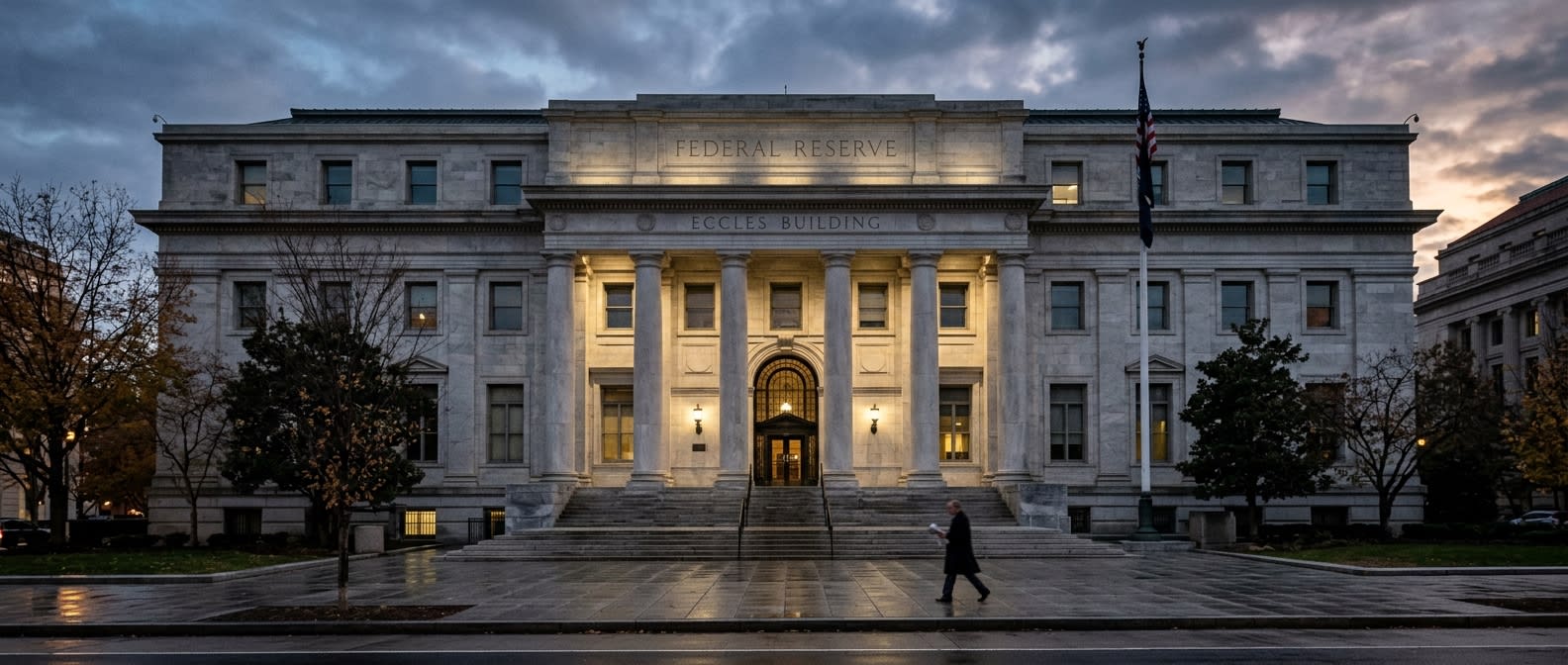

As Jerome Powell concludes his eight-year tenure as Chair of the Federal Reserve, the financial world is taking a moment to reflect on a period defined by unprecedented turbulence and historical policy pivots. His time at the helm was anything but quiet, marked by the seismic shock of a global pandemic, the subsequent labor market collapse, and the resurgence of inflation at levels not seen in four decades. Yet, perhaps more notably, his term was characterized by an increasingly strained relationship with the executive branch, testing the very foundations of the central bank's independence.
Former Philadelphia Fed President Patrick Harker, who served alongside Powell on the Federal Open Market Committee, characterizes the outgoing Chair as a deliberate, consensus-driven leader who possessed the necessary resolve to act decisively when circumstances demanded it. Harker points to the rapid, aggressive response to the COVID-19 economic shutdown—which involved slashing interest rates to zero—as a defining moment of strength. Unlike the response to the 2008 financial crisis, which some critics argue was overly cautious, the Powell-led Fed collaborated with massive fiscal stimulus efforts to prevent a prolonged depression, though this aggressive injection of liquidity would later contribute to the complex inflation challenges that persisted throughout the latter half of his term.
The political backdrop of Powell’s final years was uniquely fraught. Persistent public criticism and attempts to influence monetary policy from the White House created a constant shadow over the institution. Powell has been vocal about his concerns regarding this dynamic, noting that such rhetoric risks undermining the credibility that is essential for the Fed to function. In the eyes of many economists, the Fed’s ability to remain data-dependent rather than politically beholden is its most valuable asset. When that independence is perceived to be under attack, the stability of the dollar and investor confidence in the market can falter, potentially leading to increased volatility.
In a move that has surprised many in Washington and on Wall Street, Powell has opted to remain at the Federal Reserve as a governor following the expiration of his chair term. Harker views this decision as an act of institutional stewardship, suggesting that Powell is committed to safeguarding the Fed’s integrity during a period of significant political noise. By staying on, Powell is signaling that the continuity of experienced leadership remains a priority, even as the mantle of leadership passes to his successor, Kevin Warsh.
Industry experts anticipate that the core machinery of the Federal Reserve will remain largely stable despite the change in leadership. While the appointment of a new chair will certainly introduce a shift in communication style and prioritization, the institutional nature of the committee means that policy is rarely dictated by a single individual. The collective expertise of the eighteen other committee members serves as a ballast, ensuring that monetary policy decisions continue to be rooted in economic data rather than short-term political pressures.
For professionals and investors monitoring these developments, the transition marks more than just a personnel change; it represents a test of the Fed's long-term resilience. The ability of the institution to maintain its mandate—stable prices and maximum employment—will continue to be the primary metric by which market participants gauge the health of the American economy. As the central bank enters this new chapter, industry leaders who utilize sophisticated data analysis and adaptive technological tools will be better positioned to interpret the shifting nuances of monetary policy. Staying informed through the right analytical resources remains the most effective way for professionals to navigate these inevitable cycles of change in the global financial landscape.