Mercedes-Benz Refines the Electric Entry Point with the 2027 CLA-Class
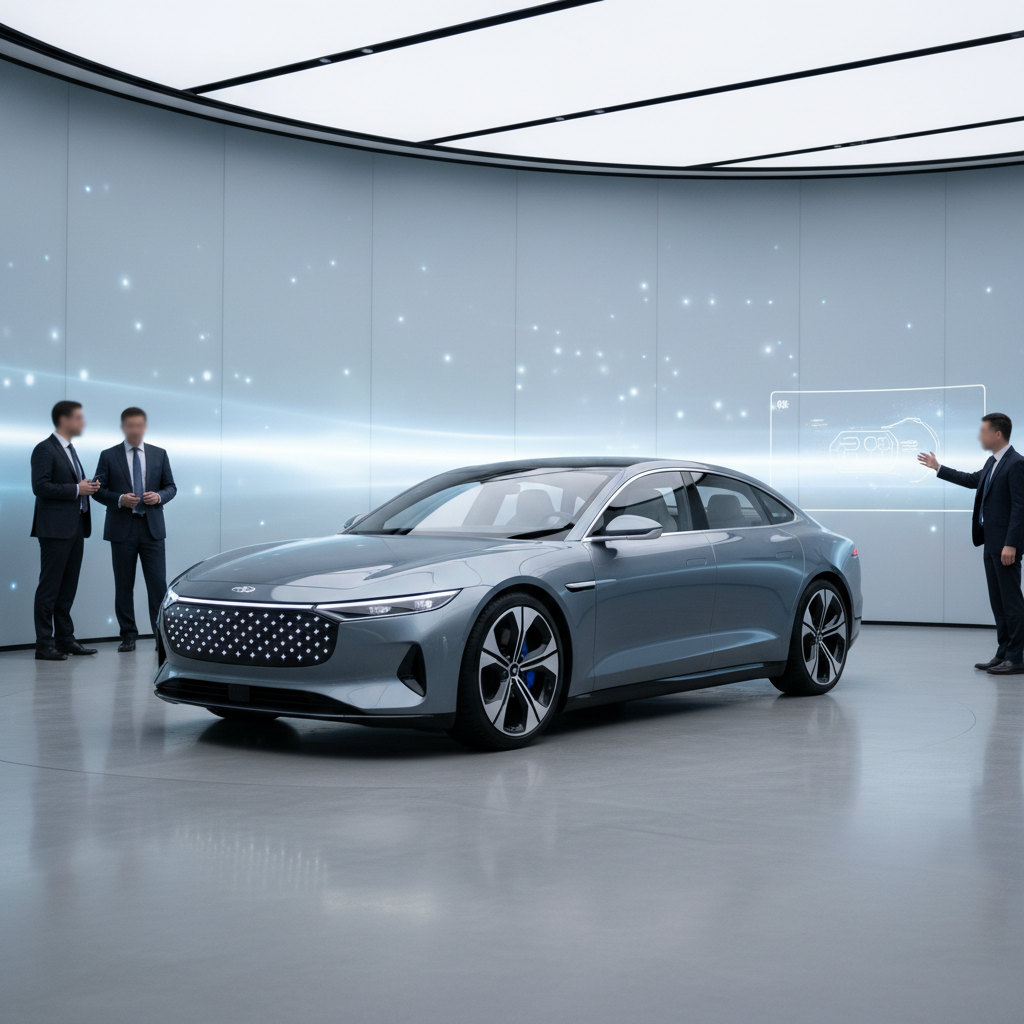

The automotive landscape is undergoing a rapid shift as luxury manufacturers work to lower the barrier to entry for electrification without diluting their premium brand equity. With the 2027 Mercedes-Benz CLA-Class EV, the German automaker is attempting to strike a delicate balance: providing the prestige of the three-pointed star in a package that is technically advanced, competitively priced, and undeniably modern. Positioning itself as the gateway to the Mercedes electric lineup, the CLA-Class EV leverages the company's new 800-volt architecture to deliver performance metrics that challenge current market leaders in the compact luxury sedan segment.
Under the skin, the CLA-Class EV represents a significant engineering achievement. The entry-level CLA250+ model utilizes a rear-wheel-drive configuration producing 268 horsepower, providing a range of up to 374 miles. For those prioritizing traction and raw output, the CLA350 4Matic introduces a secondary front motor, elevating power to 349 horsepower at the expense of a slightly reduced 312-mile range. Notably, both models incorporate a two-speed transmission—a sophisticated addition often reserved for high-performance electric vehicles—which optimizes both high-speed highway efficiency and low-speed acceleration.
The integration of an 85.0-kWh battery pack coupled with 320-kilowatt fast-charging capability sets a high bar for the industry. Mercedes claims this setup allows for the addition of 150 miles of range in just ten minutes, a figure that directly addresses the charging anxiety often cited by potential EV adopters. Furthermore, the inclusion of an NACS charging port underscores a broader shift in the North American automotive sector toward the adoption of a unified charging infrastructure, making the vehicle compatible with the extensive Tesla Supercharger network.
Inside the cabin, the CLA-Class EV leans heavily into the futuristic design language that has become a hallmark of the brand. The interior features an open-concept cockpit that can be outfitted with a massive, multi-screen display extending across the dashboard, including a dedicated screen for the passenger. While the aesthetic is undeniably high-tech, buyers should note the spatial limitations. The vehicle is designed for agility and style, which results in a tight rear-seat environment. Families or those frequently hauling tall passengers might find the cabin dimensions restrictive, potentially necessitating a move up to the larger EQE sedan or the GLC-Class EV SUV.
For industry professionals, the arrival of this model is indicative of how legacy automakers are restructuring their portfolios to compete with pure-play electric manufacturers. By delivering a vehicle that matches the range and charging speed of its rivals, Mercedes is signaling that the era of compromise for entry-level electric luxury is coming to an end. The success of the CLA-Class will likely serve as a litmus test for how effectively traditional luxury brands can retain customer loyalty during the transition away from internal combustion engines.
Deciding on the right trim remains a strategic exercise for the consumer. While the base CLA250+ remains the clear favorite for those maximizing range and handling—due to its lighter weight and more nimble suspension tuning—the mid-range Exclusive trim offers a compelling value proposition. Adding features like advanced ambient lighting, self-parking capabilities, and enhanced climate control, the Exclusive trim elevates the cabin experience to match the expectations of a premium German vehicle. As the automotive sector continues to evolve at breakneck speed, maintaining a clear perspective through data-driven insights and advanced analytical tools remains the most effective way for professionals to navigate these complex shifts in the market.