Jerome Powell Signals Intent to Remain on Federal Reserve Board
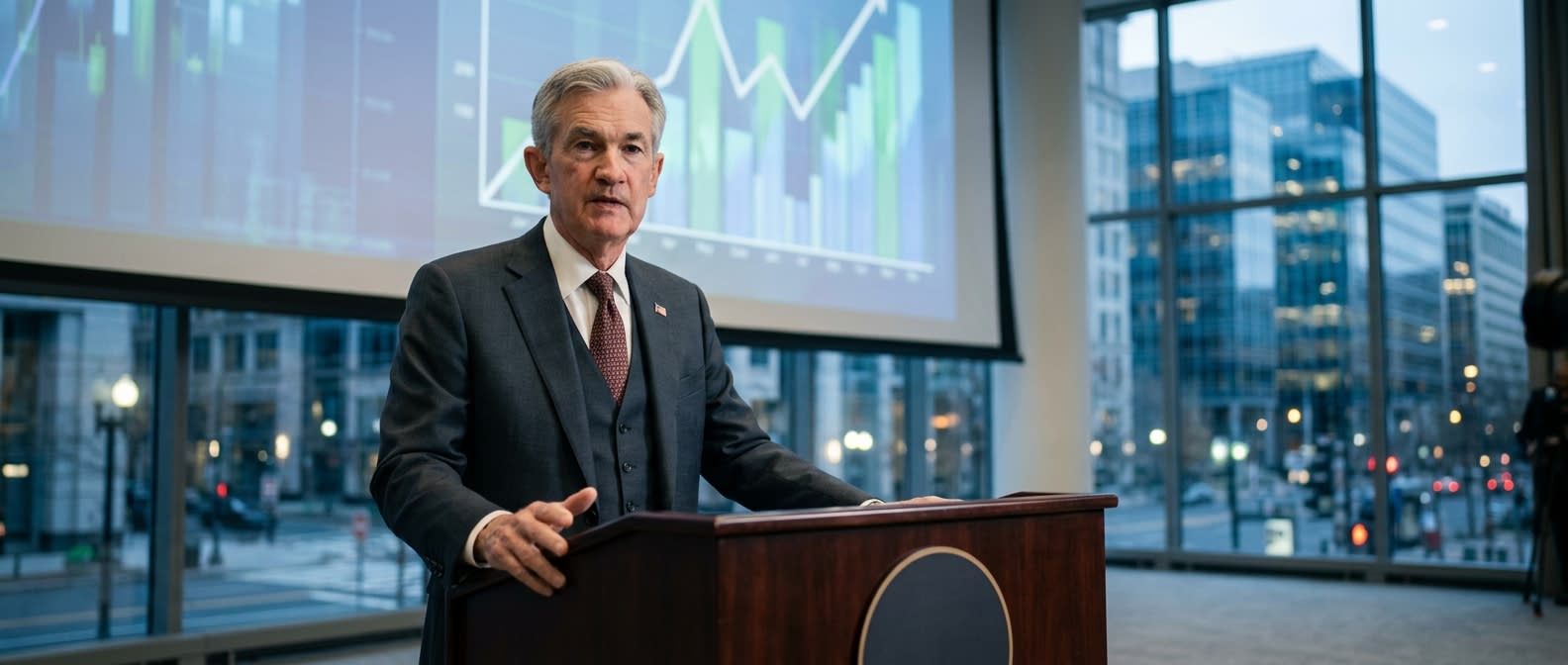

In a move that has sent ripples through the corridors of Washington and Wall Street alike, Federal Reserve Chair Jerome Powell has formally confirmed his intention to remain on the Board of Governors once his current term as chair concludes in mid-May. This decision effectively shatters any speculation that he might pursue a graceful exit from the central bank, opting instead to retain his seat as a governor for the remainder of his appointed term. The announcement stands as a clear signal of his commitment to institutional stability during a period of significant political tension.
For market observers, Powell’s decision to stay on is being interpreted as a deliberate pushback against political pressure. Since the onset of the current administration, the relationship between the White House and the Federal Reserve has been characterized by sharp rhetoric and public disagreement over interest rate policy. By staying on as a governor rather than stepping down completely, Powell maintains a presence within the institution, preventing the executive branch from immediately appointing a successor who might align more closely with their specific economic agenda.
This development brings a complex dynamic to the Federal Reserve’s future operations. While the chair holds the power to set the agenda and preside over meetings, the other members of the Board of Governors hold significant voting power on monetary policy. Having a former chair serving as a rank-and-file governor is historically rare but not unprecedented. It effectively creates a unique influence structure where Powell, with his decades of experience and market credibility, will continue to influence policy deliberations, potentially serving as a counterweight to new political appointees.
From a broader economic perspective, the markets largely favor continuity. Uncertainty is the enemy of financial stability, and investors generally view Powell’s presence as a pillar of institutional independence. The prospect of a leadership vacuum at the Fed would have likely invited volatility, particularly given the ongoing debates regarding inflation targets and economic growth. By committing to stay, Powell is arguably attempting to insulate the central bank from short-term political volatility, reinforcing the idea that the Fed’s mandates are long-term in nature and should be shielded from the electoral cycle.
However, the political fallout from this decision is expected to be significant. The administration’s friction with the Fed is well-documented, and this move effectively ties the hands of those seeking to reshape the institution’s ideology immediately. Critics may argue that this complicates the transition of power and limits the executive’s ability to implement their preferred economic vision through monetary oversight. Conversely, defenders of central bank independence see this as a necessary safeguard, ensuring that technocratic expertise remains at the helm regardless of the shifting political winds.
As the transition date approaches, stakeholders will be closely monitoring how internal dynamics at the Board of Governors shift once a new chair is appointed. The effectiveness of the Federal Reserve relies not just on its official mandates, but on its ability to communicate a consistent message to the global markets. Powell’s continued tenure will be viewed as a signal of institutional resilience, yet the success of his continued involvement will depend heavily on the working relationship he develops with the incoming leadership and his fellow governors.
Ultimately, this situation underscores the importance of institutional architecture in protecting core economic functions from ideological influence. Investors, analysts, and corporate leaders who rely on accurate macroeconomic forecasting must now navigate a landscape where political friction and central bank continuity exist in a state of uneasy tension. Staying informed through comprehensive analysis and sophisticated data tools remains the most effective strategy for professionals attempting to forecast shifts in monetary policy and navigate these complexities in the current climate.