Hyundai Retro Pickup Finds New Life in Digital Gaming Sphere
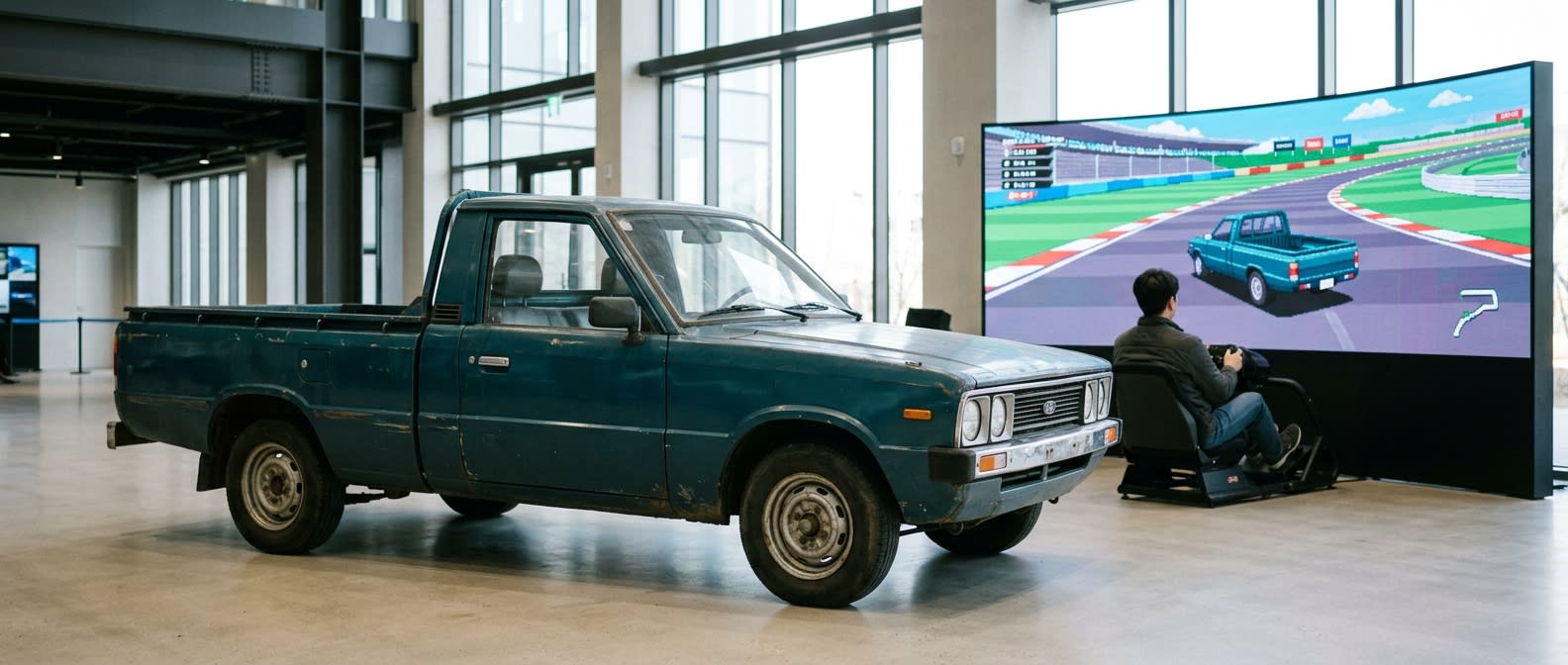

The automotive industry has long utilized digital platforms as a canvas for brand promotion, traditionally focusing on high-octane racing simulations where sleek hypercars and track-focused prototypes compete for virtual glory. However, a recent collaboration between Hyundai and the wildly popular indie game Dave the Diver marks a distinct shift in marketing strategy. By integrating a 1976 Hyundai Pony pickup into the game’s whimsical, aquatic world, the manufacturer is trading traditional performance metrics for cultural resonance and nostalgic charm.
Dave the Diver, which has captivated over six million players across platforms like Steam and Nintendo Switch, is far removed from the hyper-realistic physics engines of typical automotive sims. Instead, it offers a blend of resource management, restaurant simulation, and exploration. The decision to feature the Pony, a historically significant vehicle in South Korea, reflects a deeper understanding of the modern player base, which frequently gravitates toward titles that celebrate indie aesthetics and retro-inspired design.
For those unfamiliar with the vehicle's history, the Pony serves as a cornerstone of South Korean industrial identity. Launched in the mid-1970s, it represented the nation's rapid transition into a global manufacturing powerhouse. While early export efforts in North America during the 1980s faced hurdles regarding long-term reliability compared to Japanese competitors, the vehicle remains an icon of domestic pride. Much like the Volkswagen Beetle in Germany or the Citroen 2CV in France, the Pony holds a place of affection in the Korean automotive canon, defined by its utilitarian simplicity and approachable styling.
The integration of the Pony into the game's In The Jungle expansion is more than a mere visual cameo. The truck serves functional roles, acting as a fast-travel mechanism and appearing in high-stakes pursuit mini-games. This transition from a stationary relic to an interactive asset allows a younger generation of players—who may have never encountered a real-world Pony—to build a functional attachment to the brand’s heritage. It is a masterclass in soft power, turning an aging model into a desirable piece of digital memorabilia.
Industry analysts suggest that this type of crossover offers a lower barrier to entry for consumers, fostering brand affinity through shared experiences rather than horsepower specifications. As the automotive sector faces a pivot toward electrification and increasingly complex software ecosystems, traditional manufacturers must find ways to remain relevant to audiences that value digital presence as much as physical performance. Hyundai’s foray into the indie gaming space demonstrates that even legacy models can be revitalized if presented within the right context.
While enthusiasts in the North American market may look at the current Hyundai Santa Cruz as the spiritual successor to the utility of the Pony, the industry landscape remains in flux with shifting consumer preferences and the eventual sunsetting of various internal combustion models. Whether Hyundai eventually explores a modern, all-electric take on the compact pickup—perhaps inspired by the design language of the Ioniq 5—remains a subject of speculation. For now, however, the Pony serves as a reminder that history and humor remain potent tools for connecting with a global market.
Staying informed through advanced data analytics and AI-driven market intelligence allows industry professionals to navigate these rapidly evolving trends and capitalize on unique brand engagement opportunities.