Geopolitical Détente Offers Stock Markets a Breather


In a surprising development late Thursday, global financial markets experienced a notable shift as the U.S. President announced a significant pause in planned military actions targeting Iran's energy infrastructure. This decision, extended for another ten days, appears to have injected a degree of cautious optimism into an otherwise volatile market, though the broader implications remain under close scrutiny by investors and analysts alike.
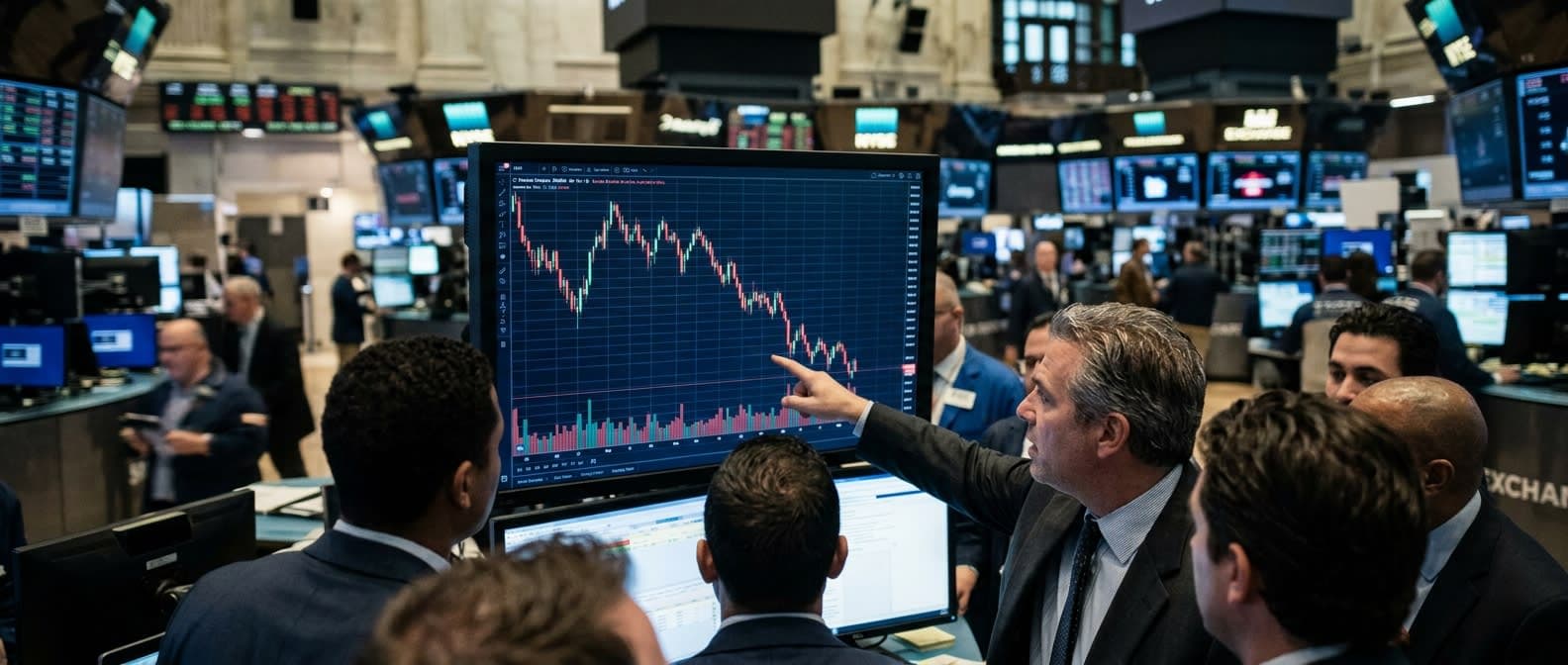
The announcement comes at a critical juncture for equity markets, with the Nasdaq Composite index having recently dipped into correction territory – a decline of 10% or more from its recent highs. This correction has been fueled by a confluence of factors, including persistent inflation concerns, rising interest rates, and ongoing geopolitical tensions. The prospect of direct military engagement in a major energy-producing region like Iran has historically been a significant destabilizing force for oil prices and, by extension, global market sentiment. Therefore, any de-escalation, however temporary, is likely to be met with relief by market participants seeking stability.
The direct impact of this pause on the energy sector could be substantial. Iran, as a significant oil producer, has the potential to influence global supply dynamics. Any perceived reduction in the threat of further supply disruptions emanating from the region could lead to a moderation in crude oil prices. This, in turn, could alleviate some inflationary pressures, offering a potential tailwind for consumer spending and corporate profit margins, particularly for energy-intensive industries. However, the market will remain highly sensitive to any rhetoric or actions that could reignite these tensions.
For investors, this period of reduced immediate geopolitical risk presents an opportunity to reassess portfolio allocations. The Nasdaq's correction, while concerning for tech-heavy portfolios, might also signal potential entry points for long-term investors who believe in the underlying growth potential of the sector. Meanwhile, sectors traditionally seen as safe havens, such as consumer staples or utilities, might see their appeal somewhat diminished if broader market confidence begins to return. The interplay between geopolitical developments and economic fundamentals will continue to be the dominant narrative.
The decision to pause military actions also highlights the complex and often unpredictable nature of international relations and its immediate feedback loop into financial markets. Policymakers face the unenviable task of balancing national security interests with the imperative to maintain economic stability. This dynamic underscores the importance for businesses and investors to cultivate a sophisticated understanding of both the geopolitical landscape and its potential economic ramifications.
As the situation evolves, market participants will be keenly watching for any further developments from the White House and Tehran, as well as any reactions from other global powers. The ten-day reprieve offers a window for diplomacy and a moment of reflection, but the underlying complexities of the region's stability and its impact on global energy markets persist. Staying informed with the right tools and AI solutions is crucial for professionals navigating these dynamic shifts.