General Motors Pivots Toward Sodium-Ion Technology for Utility Scale Storage
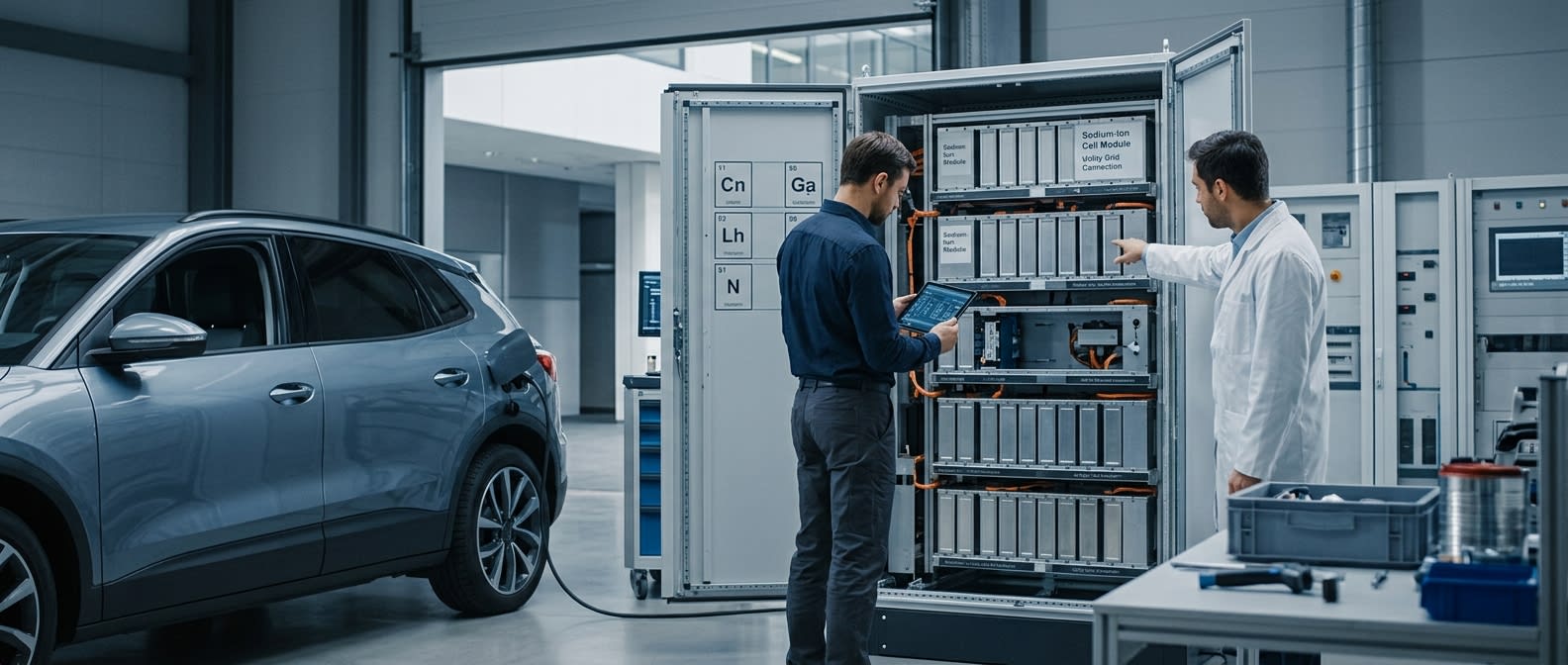

General Motors has officially charted a new course in its battery development strategy, announcing a strategic partnership with the startup Peak Energy to pioneer sodium-ion battery technology. While the automotive giant is synonymous with the electrification of the road, this latest initiative is notably focused on stationary energy storage rather than electric vehicles. By targeting the rapidly expanding grid-scale storage market, GM is positioning itself to capitalize on the surge in demand from data centers and the integration of intermittent renewable energy sources like wind and solar.
The decision to adopt sodium-ion chemistry for stationary systems—often referred to as battery energy storage systems or BESS—reflects a pragmatic approach to lifecycle costs. Unlike lithium-based chemistries, which are optimized for the space and weight constraints of mobile platforms, sodium-ion technology is lauded for its durability and cost-efficiency over a 20-to-25-year lifespan. By sidestepping the cooling requirements necessary for lithium-iron-phosphate or nickel-manganese-cobalt batteries, sodium-ion systems offer a far simpler, more heat-tolerant infrastructure that is tailor-made for industrial and utility-grade bunkers.
Beyond the logistical advantages, the move addresses a critical geopolitical concern in the current manufacturing landscape. A significant portion of the lithium-ion supply chain is currently concentrated in international markets, particularly in China. By focusing on sodium, which is significantly more abundant and easier to source domestically, GM is effectively creating a hedge against supply chain volatility. This shift is expected to decrease reliance on foreign-controlled precursor materials, a move that aligns with broader North American industrial goals to stabilize the transition to greener energy grids.
The technical implications of this move are noteworthy, especially considering the leadership behind the project. With industry veterans driving the development, the focus remains on the untapped potential of sodium chemistry. While existing lithium chemistries have reached a plateau in terms of rapid performance gains—improving by only a nominal percentage annually—sodium-ion technology is still in its relative infancy. This presents a unique opportunity for R&D teams to unlock substantial improvements in cost-performance through chemical refinements and manufacturing economies of scale, areas where lithium-ion has already matured.
Industry observers should recognize that this strategy is distinct from simply repurposing idle factory space. Instead, it represents a dedicated effort to diversify the company's energy portfolio. While sodium-ion batteries currently lack the energy density required to compete with the latest NMCA or LFP cells in a passenger vehicle, their deployment in the stationary sector allows GM to scale manufacturing and lower costs, potentially creating a "halo effect" for their broader EV operations. As the infrastructure for these cells expands, the lessons learned in utility storage could eventually inform future automotive applications.
This transition highlights a broader shift in the automotive sector, where legacy manufacturers are evolving into integrated energy companies. As data centers continue to consume massive amounts of power and grids modernize to accommodate climate-focused energy targets, the demand for reliable, cost-effective storage will only accelerate. Companies that successfully bridge the gap between automotive battery manufacturing and stationary energy infrastructure will likely secure a significant competitive edge in the coming decade.
Navigating these complex shifts in the energy landscape requires a sophisticated grasp of both technology trends and supply chain dynamics. Utilizing advanced digital tools and data-driven insights ensures that industry professionals remain prepared to adapt to these rapid changes in the global manufacturing environment.