Ferrari Luce and the Paradox of Evolutionary Automotive Design


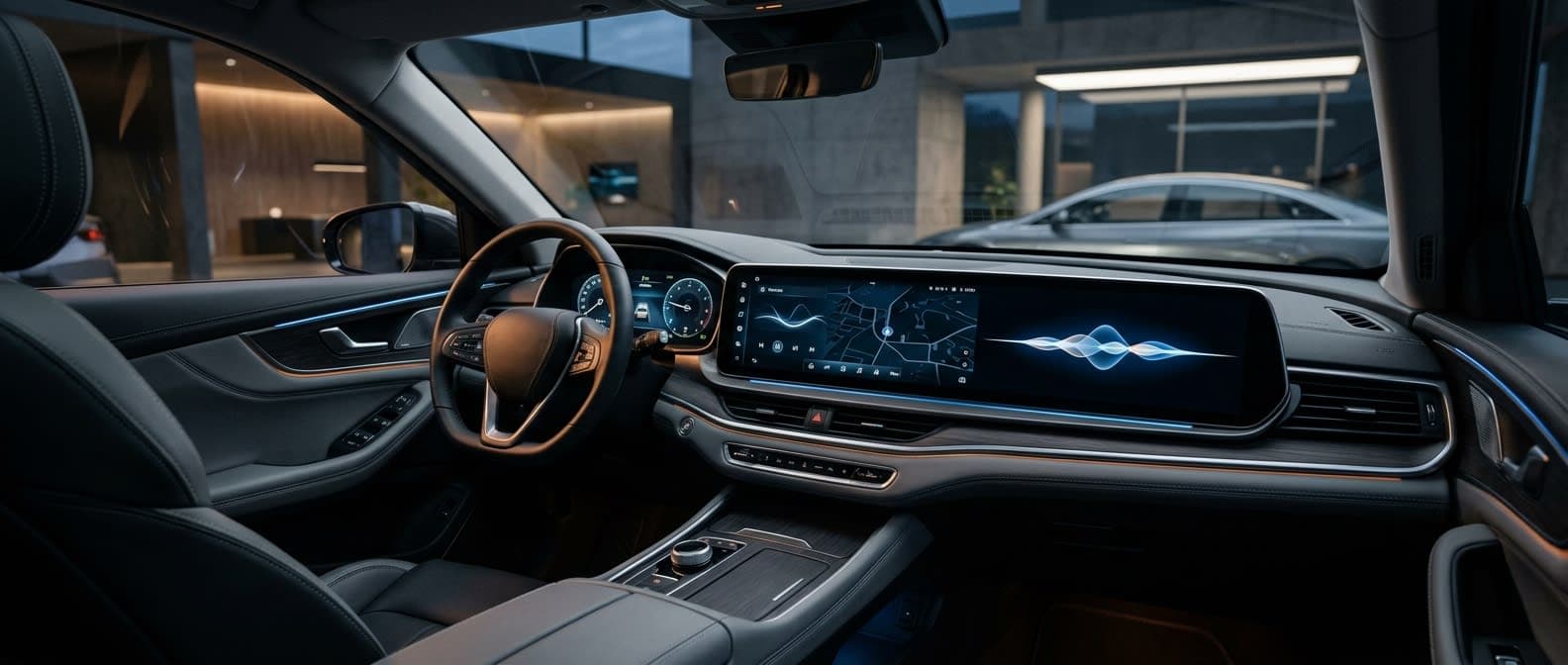
The automotive industry is currently grappling with a fundamental tension between the desire for radical innovation and the stubborn constraints of human ergonomics. When a brand as iconic as Ferrari announces a groundbreaking new model, the expectation for a paradigm shift is immense. The unveiling of the electric Ferrari Luce provided the latest case study in this ongoing conflict. While the hype machine promised an interior design that would shatter conventions, the reality was a sophisticated, albeit familiar, cabin that prioritized human-centric usability over science-fiction spectacle.
For many observers, there is a temptation to equate "new" with "shocking." During the pre-reveal discussions surrounding the Luce, creative concepts for car interiors often veered into the absurd. From steering mechanisms mimicking equestrian saddles to bio-gel environments that interface directly with a driver’s nervous system, the imagination runs wild when unmoored from reality. Yet, as any industrial designer will argue, the primary function of a vehicle cabin is to bridge the gap between human anatomy and mechanical control. A car must be intuitive enough that a driver does not mistake a gear shift for a volume knob, regardless of how futuristic the aesthetic might be.
The Ferrari Luce serves as a testament to the fact that true design excellence lies in the refinement of the familiar rather than the wholesale rejection of it. By collaborating with visionaries like Jony Ive and Marc Newson, Ferrari opted for a minimalist, tactile approach. The cabin eschews the current industry trend of flooding the dashboard with massive, distracting touchscreens. Instead, it utilizes high-end materials, including a proprietary, incredibly durable chemical glass engineered by Corning, to provide a sense of luxury that feels substantial rather than gimmicky.
This approach highlights a significant economic reality for high-performance manufacturers. While consumers clamor for "groundbreaking" changes, they remain deeply conservative regarding the actual interface of their vehicles. Automotive design must balance the high cost of manufacturing, stringent safety regulations, and the psychological comfort of the driver. A cockpit that requires a manual for basic operation, or one that feels too alien, risks alienating the very clientele it intends to woo. The Luce succeeds because it acknowledges that even in the shift to electrification, the emotional connection to the act of driving remains anchored in tactile feedback.
Ultimately, the challenge for luxury automakers is to prove that "new" does not have to mean "disruptive to the point of incompetence." As designers noted following the reveal, creating something startlingly strange—like a neon-pink, fur-lined dashboard—would be easy, but it would also be poor design. The Luce manages to integrate cutting-edge material science while remaining recognizably an automobile. It is a refinement of the machine, favoring a clean, premium experience that respects the driver’s intelligence rather than attempting to replace it with gimmicks.
For professionals tracking the evolution of the automotive landscape, the lesson from the Luce is clear: innovation is moving toward sustainable, high-durability materials and minimalist elegance rather than radical cockpit overhaul. This transition confirms that the premium market values longevity and user-friendliness even as propulsion systems undergo their most significant shift in a century. Keeping a pulse on these subtle but impactful shifts in design philosophy is essential for anyone looking to navigate the complex future of the global automotive sector, especially when leveraging advanced analytical tools to stay ahead of industry trends.