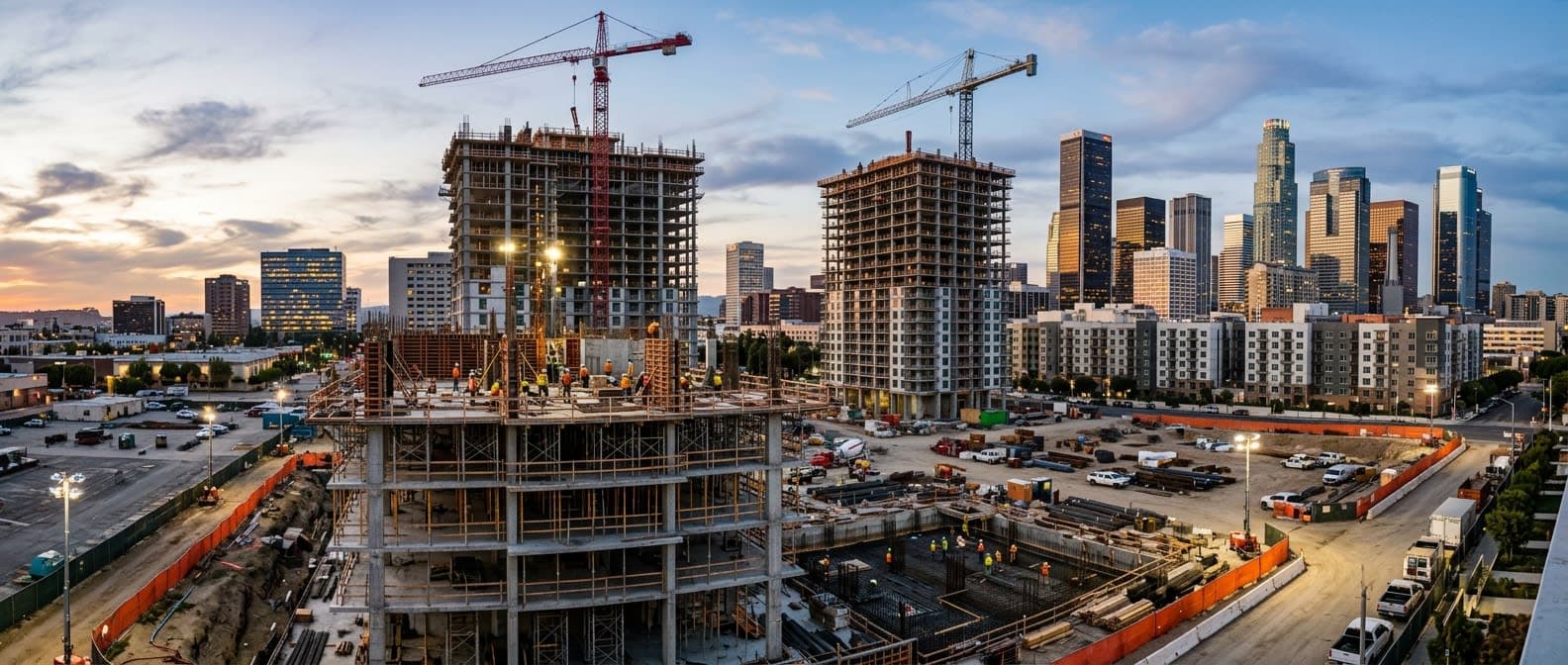
Construction Stalls as Reliability Crisis Outweighs Interest Rate Concerns


The prevailing narrative in the real estate sector for 2026 suggests that the market is finally finding its footing. With interest rates retreating from their multi-year peaks and homebuilder sentiment showing a steady ascent from 2023 lows, the macroeconomic backdrop appears ripe for a housing resurgence. Yet, a closer look at the actual pace of development reveals a disconnect. Despite favorable optics, pipelines remain thin and project momentum is frequently stalling. The industry is discovering that its primary obstacle is no longer the cost of capital, but the consistency of it.
For years, the industry has operated under the assumption that interest rates act as the sole thermostat for construction activity. If rates were low, development soared; if they rose, developers retreated. However, this classic framework assumes that financial partners will consistently deliver on their commitments. Today, that assumption has crumbled. Builders are finding that even when a deal is approved and plans are finalized, the ground can shift beneath them. Delayed funding draws and last-minute financing withdrawals are turning viable projects into high-stakes liabilities.
This reliability gap is a structural issue that has been intensifying for sixteen consecutive quarters. According to data from the National Association of Home Builders, lending standards have remained persistently restrictive. While the headlines focus on rate fluctuations, the quiet reality is that loan-to-cost ratios have tightened and equity requirements have surged. This shift forces developers to tie up significantly more cash in individual projects, which naturally slows down their overall ability to scale. The constraint is no longer just about interest expense; it is about the operational risk of a funding partner failing to perform at critical project milestones.
The true cost of this uncertainty is best illustrated by the late-stage deal failure. When a project is backed by a reputable institution, developers naturally invest significant capital into engineering, permits, and pre-development work. When a lender pulls back or delays funding just weeks before closing, that sunk capital is often unrecoverable. This does more than just pause a single project; it creates a cascade of financial damage that can hinder a builder's ability to initiate subsequent developments. It is an execution failure that effectively wipes out the liquidity needed to keep the pipeline moving.
Because of this volatility, the industry is undergoing a fundamental shift in how it views value. Developers are increasingly realizing that optimizing exclusively for the lowest interest rate can be a strategic error. A loan that offers slightly better terms but lacks reliability can end up being far more expensive than a more dependable, albeit slightly pricier, capital source. The risk of a project grinding to a halt is a far greater threat to a firm’s longevity than a few basis points of interest.
As we look toward the remainder of the year, the winners in this environment will not necessarily be those who secure the cheapest money, but those who secure the most predictable partners. The current bottleneck is a test of operational resilience, demanding that professionals shift their focus from market-wide rate speculation to the specific, actionable performance of their capital stack. Navigating this complex landscape requires a disciplined approach, and utilizing modern data-driven tools can provide the transparency necessary to identify dependable partners and mitigate these persistent operational risks.