Cleveland Turns to Modular Manufacturing to Address Urban Housing Shortfalls
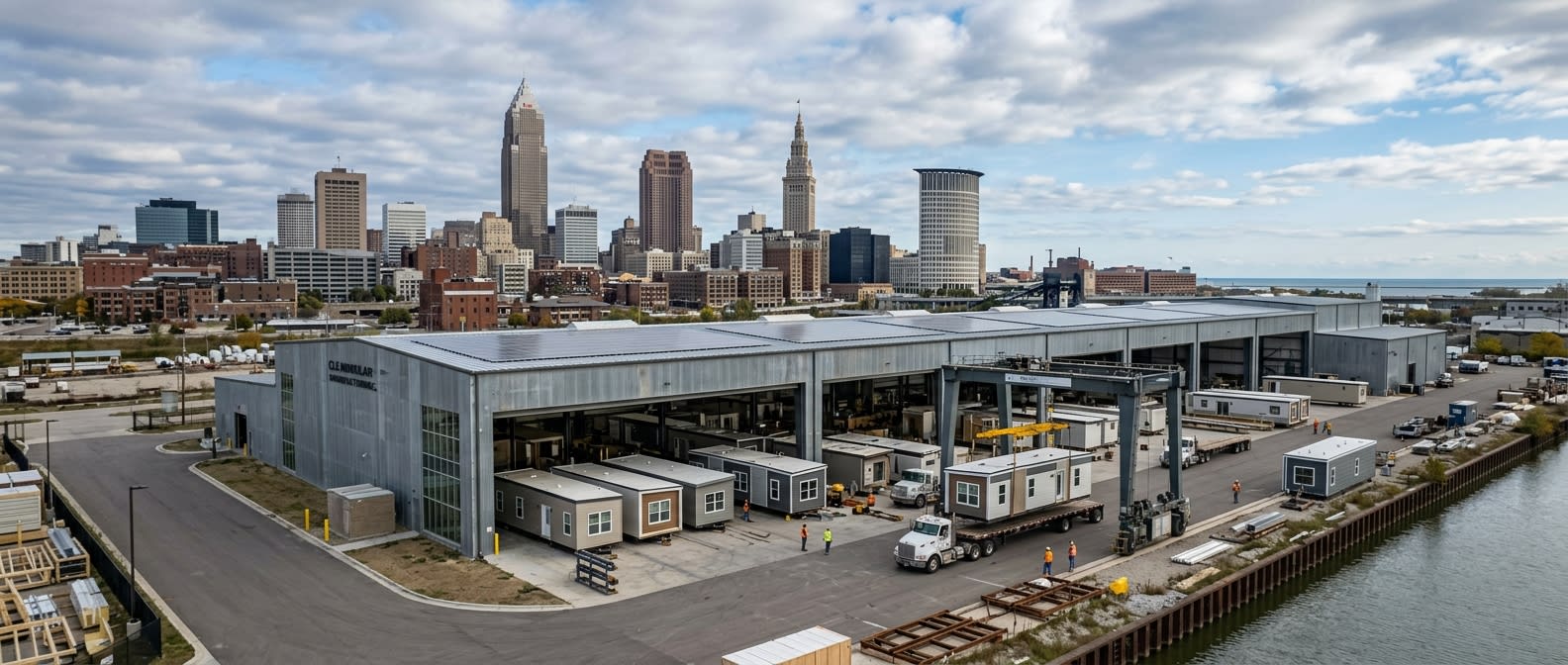

The city of Cleveland is making a bold strategic investment in the future of residential construction by selecting UK-based manufacturer MMY as its primary partner for a new modular housing facility. Bolstered by 2.56 million dollars in Ohio historic preservation tax credits, this ambitious project aims to transform the dilapidated Wellman-Seaver-Morgan Engineering Company building into a high-tech hub for home production. Built in 1901, the sprawling 185,000-square-foot facility is slated for a 26 million dollar renovation, marking a significant milestone in the city’s broader effort to combat housing inventory shortages while simultaneously breathing new life into an underserved district.
This initiative is far from an isolated event; it represents a growing national movement where local and state governments are actively de-risking the development of modular construction infrastructure. By providing grants, tax incentives, and low-cost loans, policymakers are acknowledging that traditional building methods often struggle to meet the pace of modern housing demand. As construction costs remain elevated and labor markets tighten, municipal leaders are increasingly viewing factory-based assembly as a viable, scalable path toward fulfilling ambitious affordable housing mandates.
The proposed Cleveland factory is expected to serve as a cornerstone of the larger 350-acre Midline redevelopment project, promising to create over 150 local jobs. Once operational, the facility will utilize a sophisticated, vertically integrated approach, featuring specialized assembly lines for modular housing units, sub-assemblies, and precast foundation systems. The goal is to reach a production capacity of three homes per day. For MMY, the project is a testament to the necessity of complex capital stacks, as the developer must balance historic preservation requirements with the high-tech demands of modern modular production.
Across the United States, similar public-private partnerships are gaining momentum. From Louisville, where the city recently provided over 1.7 million dollars in funding for a major modular facility, to Philadelphia, where officials have proposed a 10 million dollar earmark to attract modular investment, the trend is clear. Governments are moving beyond passive zoning changes and toward becoming active participants in the construction supply chain. In high-altitude regions like Colorado, this shift is even more pronounced, as state authorities leverage millions in loans to ensure that housing production can continue unabated by harsh winter conditions that historically crippled traditional site-built schedules.
For the real estate and construction sectors, this shift signifies a fundamental transition in how urban housing is delivered. The move toward modularization reduces waste, minimizes weather-related delays, and allows for consistent quality control, which in turn helps stabilize development timelines. As more municipalities incentivize these factories, the professional landscape is shifting toward a model that prioritizes logistical efficiency and manufacturing precision. Investors and developers should take note of these state-backed initiatives, as they often dictate where new inventory will emerge and how development costs will be mitigated in the coming decade.
Ultimately, the revitalization of Cleveland’s historic industrial architecture into a modern modular factory serves as a template for other municipalities seeking to solve chronic supply gaps. By blending historical preservation with cutting-edge manufacturing, cities are discovering that the path to housing stability lies in supporting the industrialization of the building trade. As the industry evolves, professionals who stay informed through data-driven research and advanced AI tools will be better equipped to navigate the complexities of these emerging construction ecosystems.